The Times
Reuber lived in a small country with a large army, in a century that began with wigs and princes and ended with revolutions and Napoleon.
Here is what you need to know to understand his diary: why Hessian soldiers went to America, who they were, what became of them, and what Americans still tell about them today.
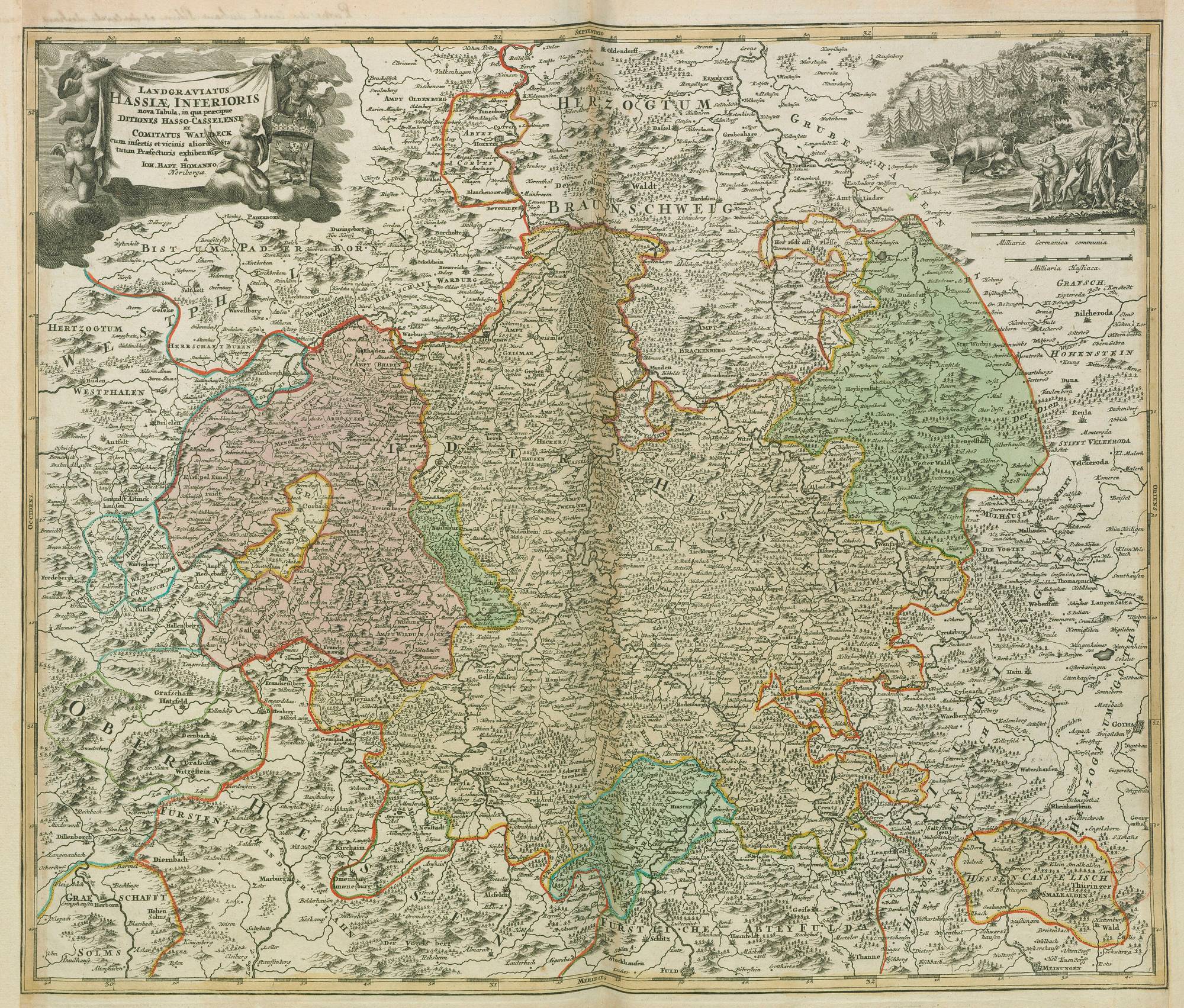
The Landgraviate of Hesse-Cassel
Hesse-Cassel had barely more than 300,000 inhabitants. Its landgraves nevertheless kept a standing army and, from the late seventeenth century, placed troops at the disposal of foreign powers for payment, first in 1677 to Denmark. Such agreements were called subsidy treaties: the ruler handed over whole regiments, and the other party paid for them.
Great Britain was the most important customer. As early as 1755 the king and the landgrave concluded a treaty. In the Seven Years’ War Hessian troops stood on the side of the British, and Hesse itself became a theater of war: French troops occupied the country, and Kassel was besieged several times and retaken by the allies only on November 1, 1762.
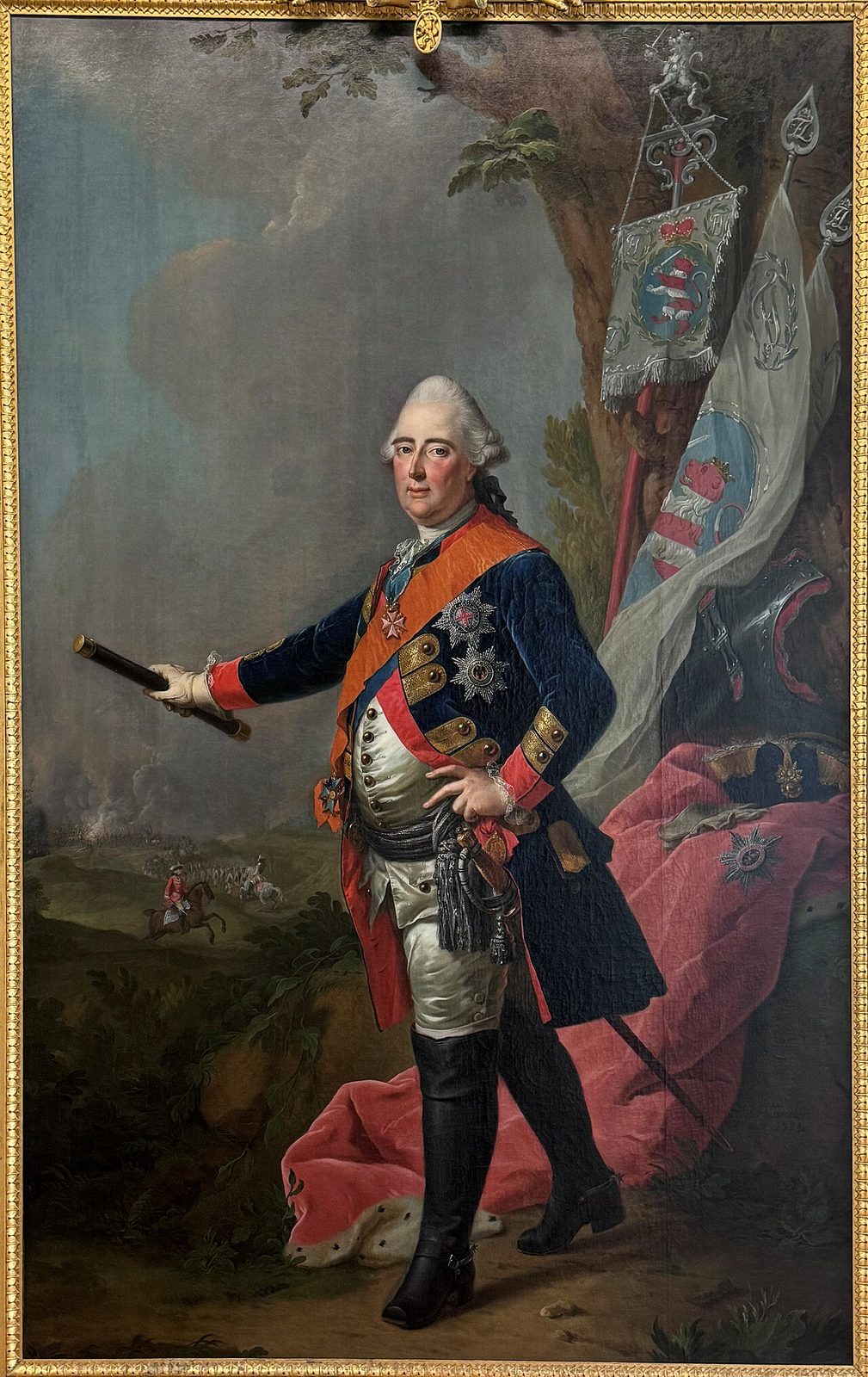
Landgrave Frederick II ruled from 1760 to 1785. With money from such treaties he made Kassel a residence of the arts, with the Fridericianum, one of the first public museums on the Continent.


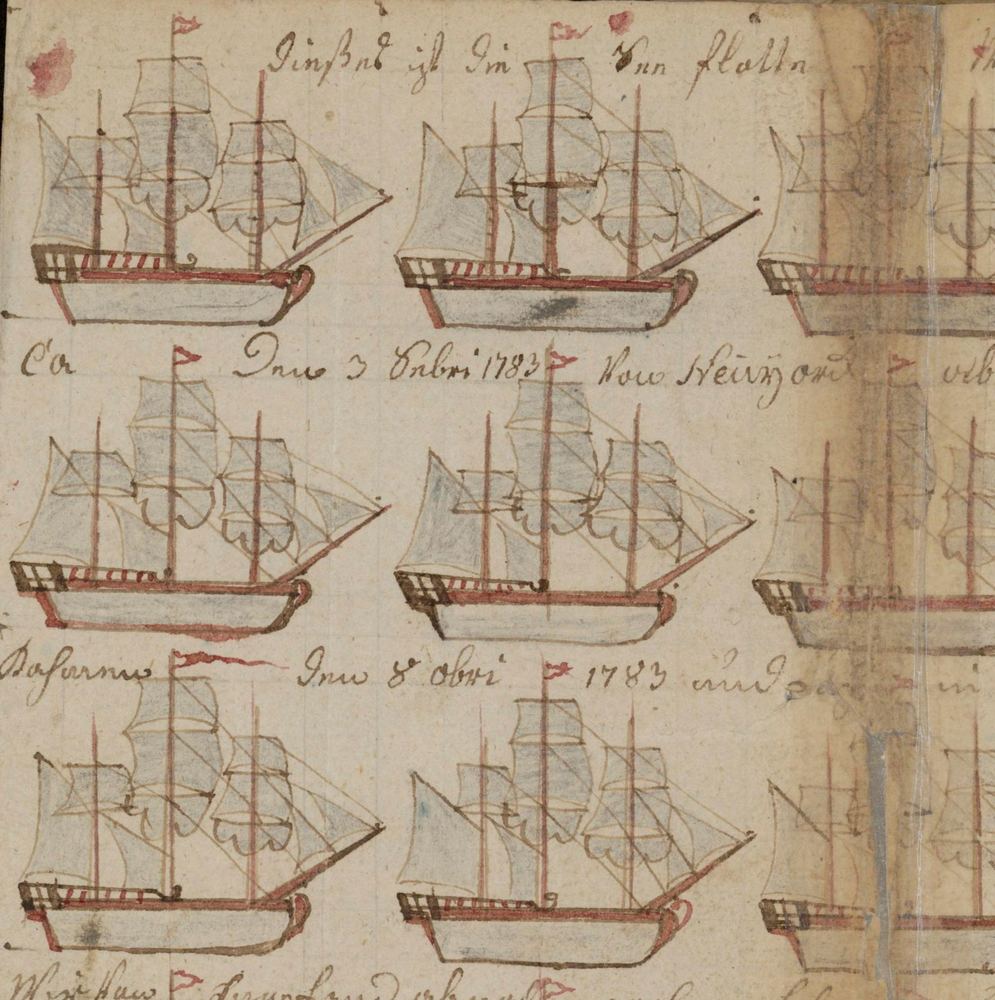
Sources: Lowell 1884, chap. 1 · Treaty of June 18, 1755 (Wellcome Collection)archive · Hesse in the Seven Years’ War (WarHistory)archive · German History in Documents and Imagesarchive · Westenfelder, after “Juchheisa nach Amerika”archive
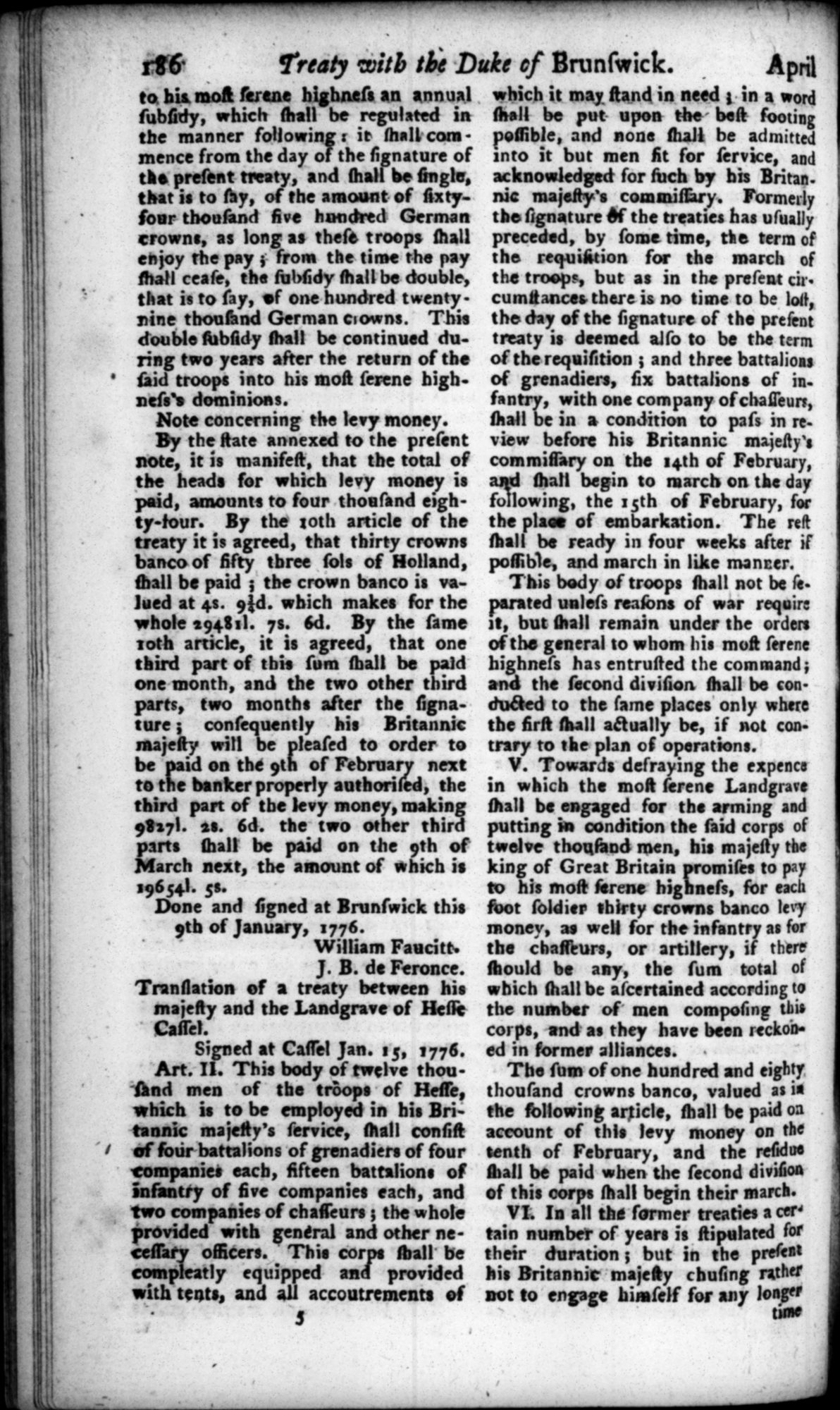
The treaty with King George III
On January 15, 1776, Landgrave Frederick II undertook to provide the British king with 12,000 men for the war in America. By 1783 almost 17,000 soldiers from Hesse-Cassel in all crossed the Atlantic; other sources give as many as 19,000 or 20,000.
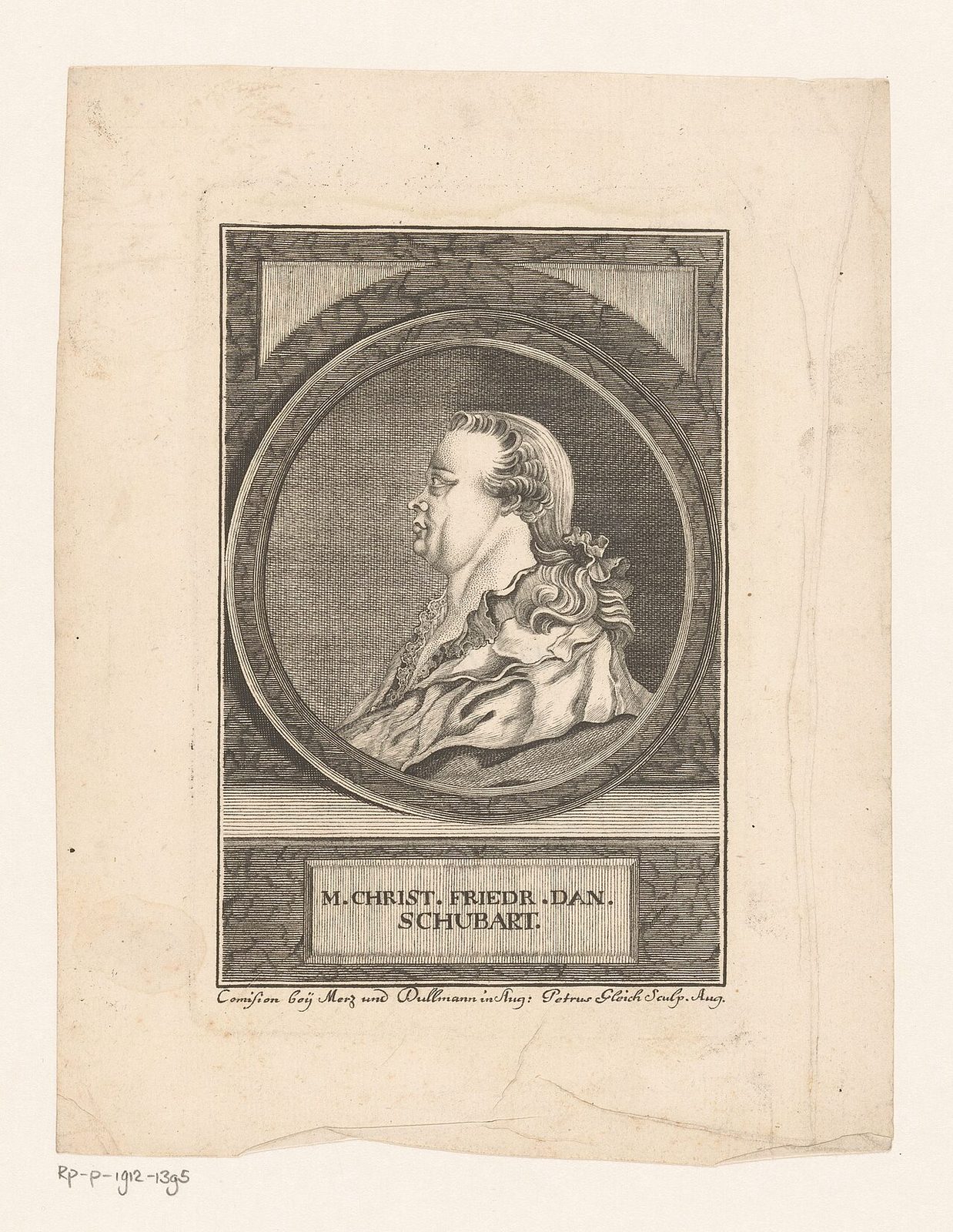
The poet Christian Friedrich Daniel Schubart did the arithmetic for his readers that same year: 450,000 thalers a year “for his 12,000 brave Hessians, most of whom will find their graves in America.”
„jährlich 450000 Thaler für seine 12000 tapfere Hessen, die grösstentheils in Amerika ihr Grab finden werden“Teutsche Chronik, March 25, 1776, p. 194 (original German), copy in the reading room
According to Friedrich Kapp, some 3.7 million pounds flowed from London to Kassel in all. Frederick’s son William IX was considered one of the richest princes of his time; the “soldier trade” was a pillar of that fortune.

Sources: Lowell 1884, appendix · Kapp 1874, chap. 12 · Schubart, Deutsche Chronik 1776archive · Friederike Baerarchive · University of Marburgarchive · Hessen Kassel Heritagearchive · Kapp, Lowell, and Schubart as copies in the reading room
Mercenaries or auxiliaries?
In the Declaration of Independence of July 4, 1776, the Americans accuse the king of sending “large Armies of foreign Mercenaries.” That is what the Hessians are called in America to this day.
German historians speak of subsidy troops, or auxiliaries. The difference: a mercenary sells his services himself and for his own account. The Hessians served in their own regiments under their own officers. The money from London went to the landgrave, not to the soldier.
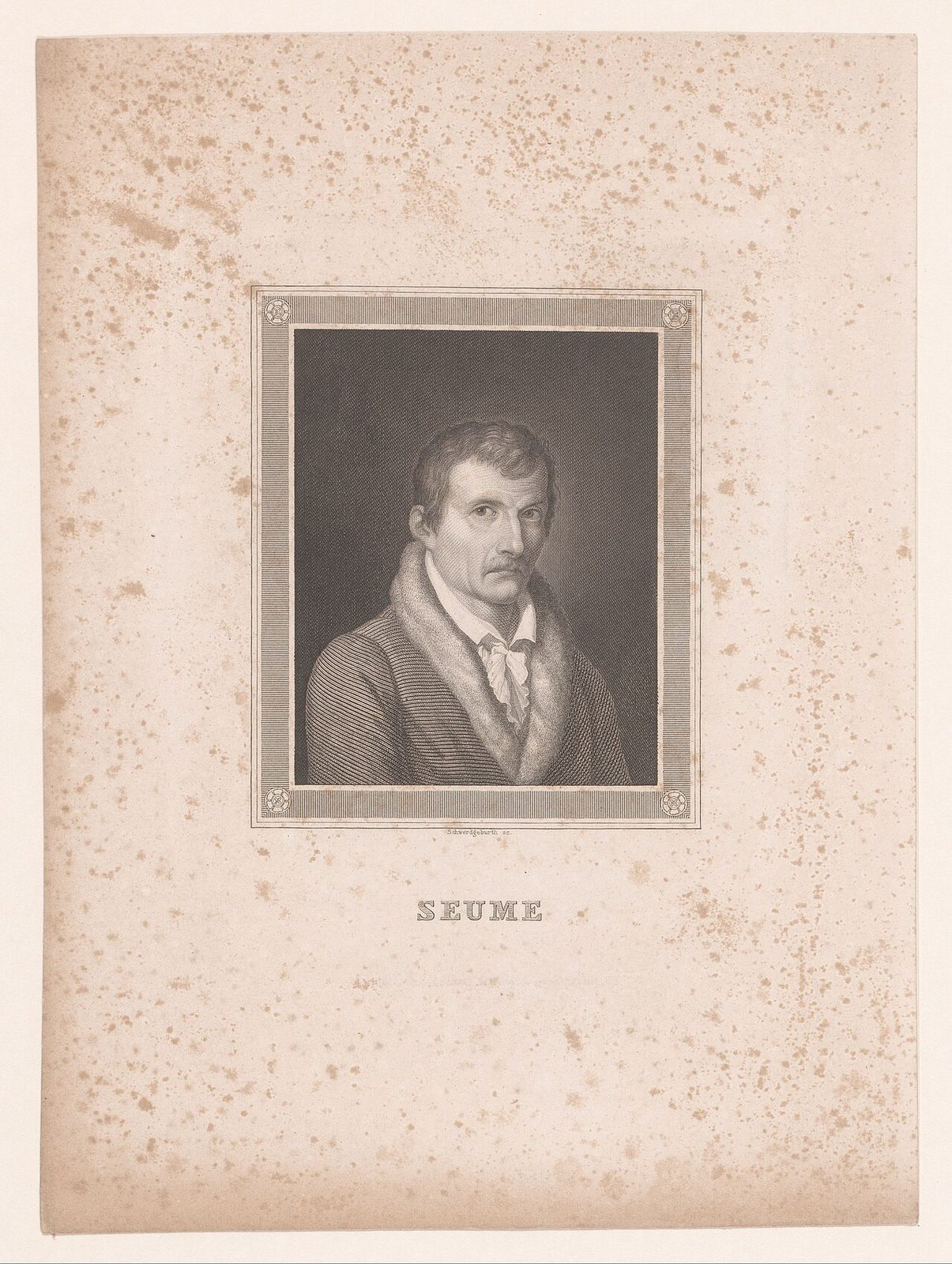
The line is not perfectly clean. In the first years they were mostly the landgrave’s own subjects, well trained. Later outsiders were recruited too, and some men were taken against their will, like the young Johann Gottfried Seume, whom Hessian recruiters seized near Vacha in 1781.

The Semler family tells of an ancestor who was to be shipped to America as a Hessian soldier. The night before the ship sailed, he and his best friend escaped from the castle where they were held by jumping into the water. He never went to war. His descendants crossed the Atlantic anyway, almost two centuries later and of their own free will: in the 1950s the family emigrated to Canada. The whole story is in the publisher’s introduction.
Family tradition, not documented in the records.
Sources: Declaration of Independence (National Archives)archive · Seume (Neue Deutsche Biographie) · Berghold 1999 on later recruitsarchive
Grenadiers, musketeers, Jäger
The Americans called all the Germans “Hessians,” whether they came from Kassel, Hanau, Brunswick, Waldeck, or Ansbach. The troops from Hesse-Cassel were made up of several branches:
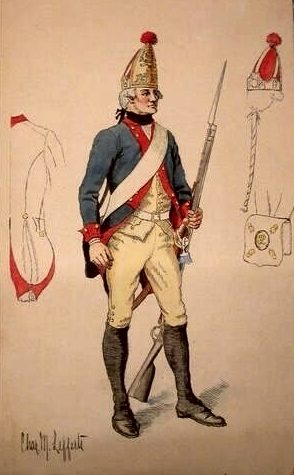
Grenadiers
Picked men with tall grenadier caps fronted with brass. Dark blue coats, red facings in the Rall Regiment. Reuber was a grenadier.
Musketeers and fusiliers
The line infantry of the regiments, with musket and bayonet, drawn up in close order.
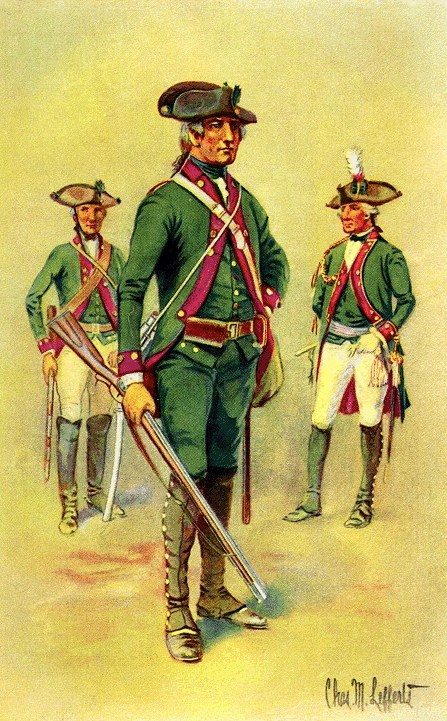
Jäger
Light troops of huntsmen and foresters in green coats, armed with rifles. They fought in open order and aimed their shots.
Artillery
The gunners who served the cannons.


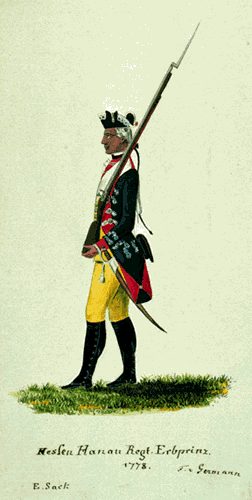

Sources: Uniform of the Rall Regimentarchive · HETRINA, entry from the Rall Regimentarchive · David Ross on the Jäger Corpsarchive
Green coats, rifled guns
What the British wanted above all were Hessian Jäger. They were not farm boys picked up on the road but huntsmen and foresters who had grown up with the rifle. Instead of firing volleys in a rigid line, they spread out, used every tree, and picked a single target.
According to a widespread tradition, Landgrave William V raised the first Jäger as early as 1631; there is no record in the files to prove it. The name Feldjäger first meant this Hessian troop. Today the military police of the German armed forces bear that name; they themselves trace their history to a Prussian corps of 1740.
In America they faced the long rifles of the American riflemen, the Pennsylvania rifle. It had been developed by German and Swiss gunsmiths around Lancaster, of all places, where Reuber was later held prisoner.
Their most famous officer was a man from Kassel: Johann Ewald, born in Kassel in 1744. He had lost an eye in a duel and led his Jäger from White Plains to Yorktown. His diary appeared in English in 1979; later he became a general in Denmark. At Trenton fifty Jäger served in Rall’s brigade.
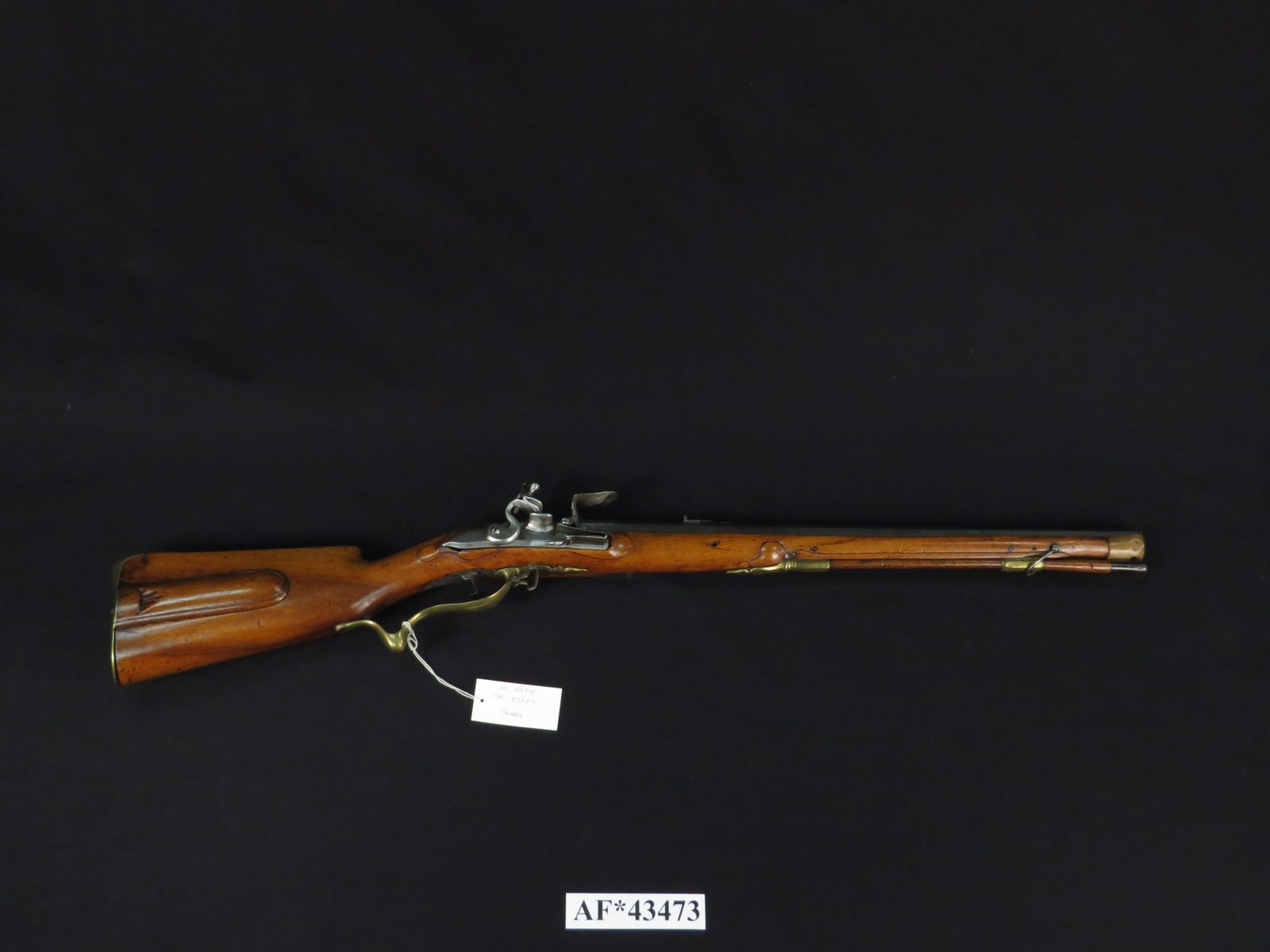
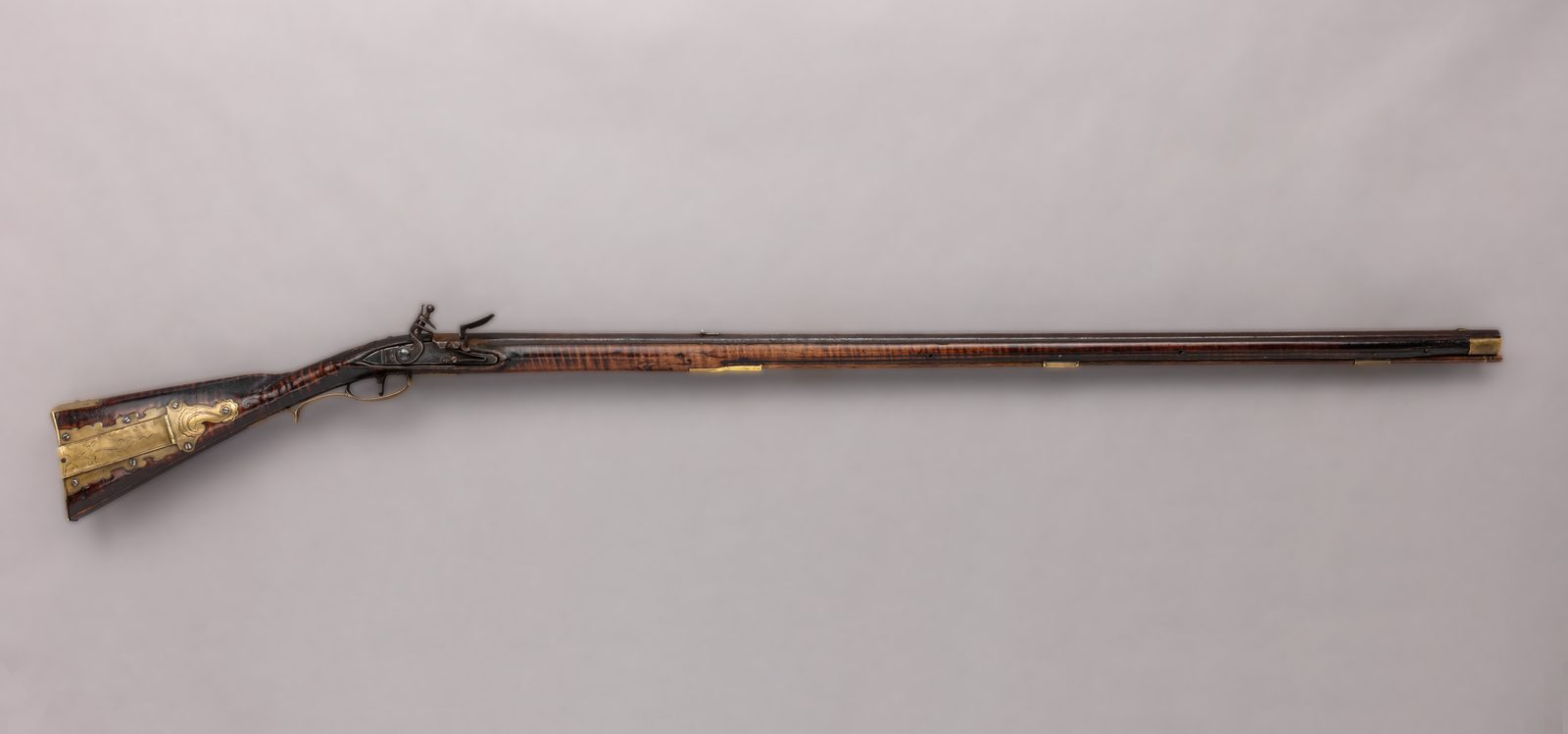
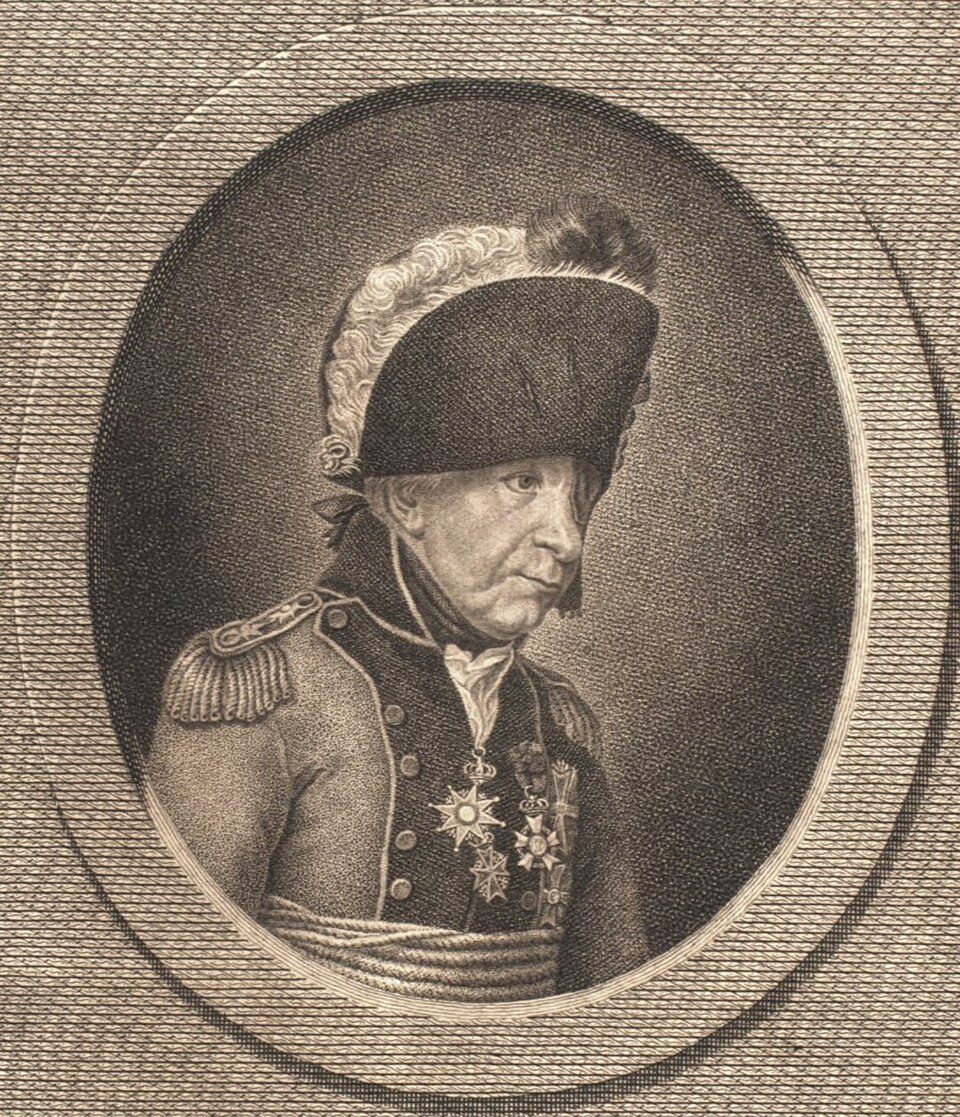

A grenadier is not a Jäger. Reuber was a grenadier. The link to the Jäger comes from the editor of this edition: Normann Günther is himself a Kassel Jäger and served in this tradition.
Sources: Jäger (military), German Wikipedia · Feldjäger, German Wikipedia · Journal of the American Revolution 2015archive · Pennsylvania Rifle (PHMC)archive · Ewald (ADB) · Ewald (American Battlefield Trust)archive · Lowell 1884, chap. 8
America courted the Hessians
The first Hessians had barely landed on Staten Island when, on August 14, 1776, the Continental Congress resolved on an offer to every German soldier who came over: fifty acres of land, free exercise of religion, and the rights of a native. Benjamin Franklin had the resolutions printed in German and wanted them wrapped around tobacco and smuggled across to the soldiers.
Many took America at its word. According to the 2026 exhibition of the Hessian State Archives in Marburg, more than 3,000 soldiers from Hesse-Cassel deserted, more than 2,500 were captured, and more than a thousand stayed for good. For all German troops, some 5,000 deserters are estimated. Prisoners worked for farmers, and many found a second home among the Pennsylvania Germans.
Their descendants live all over the United States today. How to search for a Hessian ancestor is explained under Sources and Ancestors.
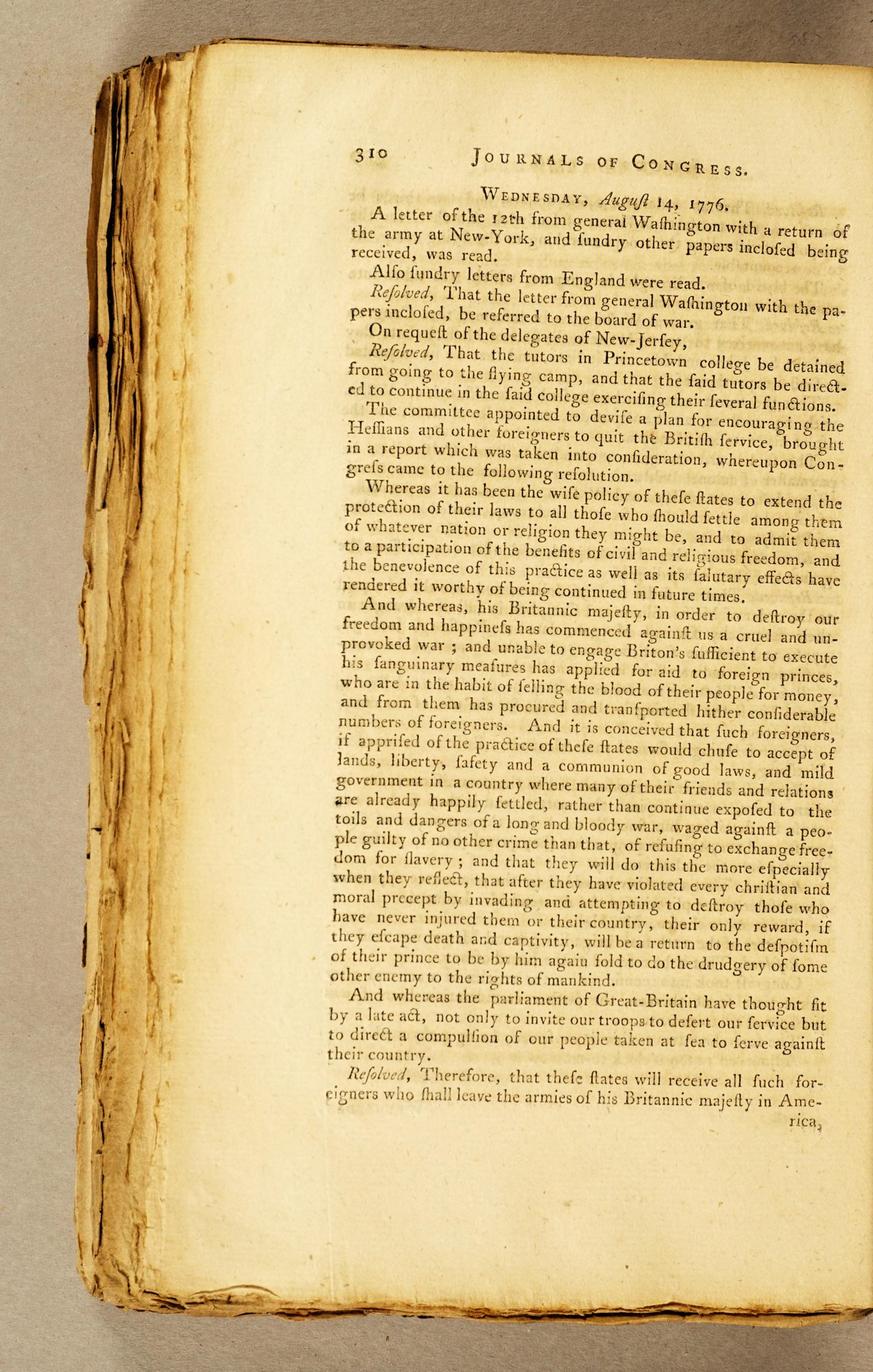
Sources: Free Speech Center (MTSU)archive · Resolution of August 14, 1776, Journals of the Continental Congress, vol. 5, pp. 653–655, copy · Franklin to McKean, August 24, 1776 · hessenschau, January 17, 2026archive · Lowell 1884, appendix
Headless horsemen and Hessian flies
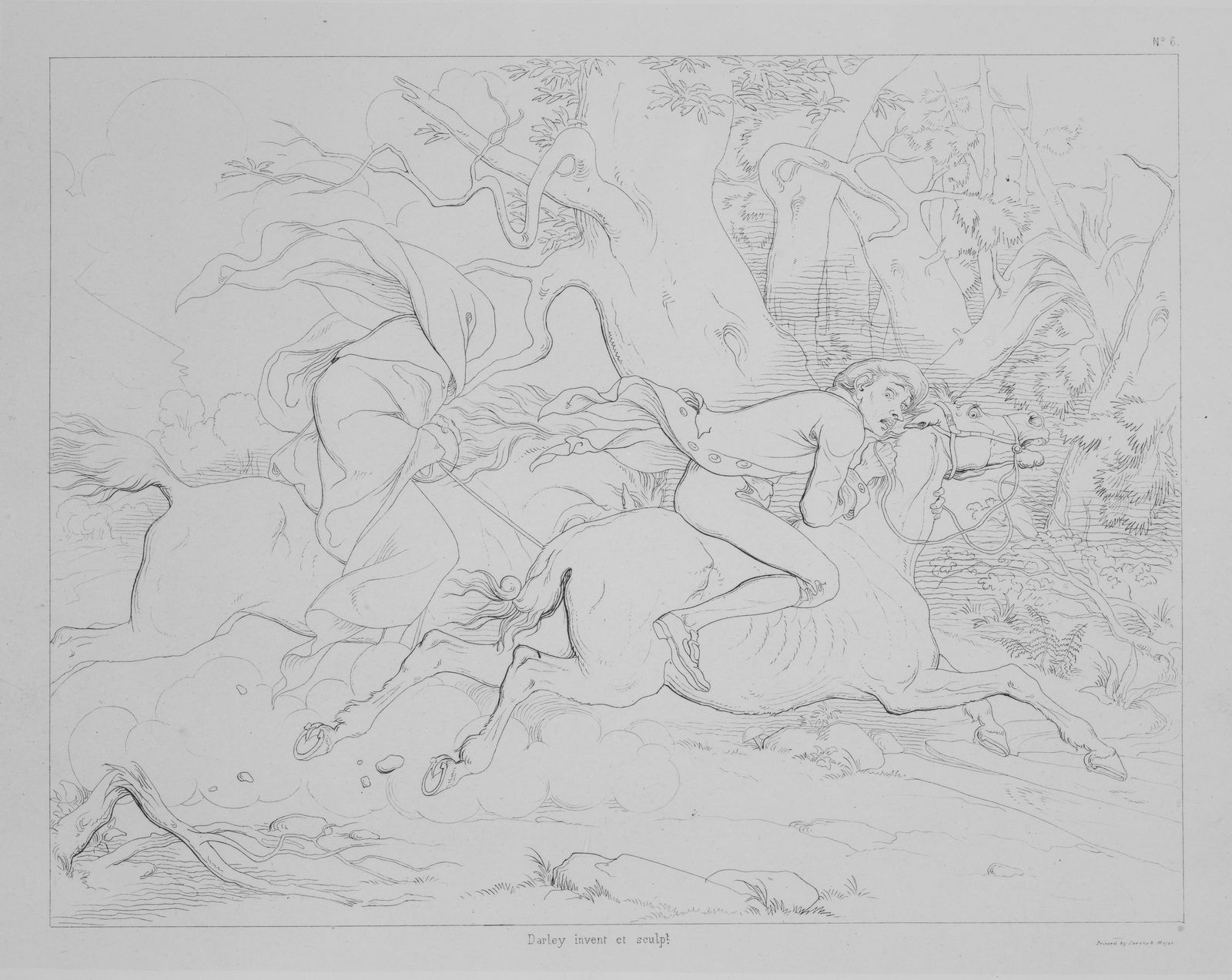
LiteratureThe Headless Horseman. In Washington Irving’s “The Legend of Sleepy Hollow” of 1820, the ghost is a Hessian trooper whose head was carried away by a cannonball. He has ridden through film and television ever since.
PaintingThe picture of the night before Trenton. Emanuel Leutze painted “Washington Crossing the Delaware” in Düsseldorf in 1851; the river in the painting is modeled on the Rhine.
FilmThe villains. As early as 1909 the Hessians are the bad guys in D. W. Griffith’s silent film “The Hessian Renegades.” In 1950 Yosemite Sam takes on Bugs Bunny as “Sam Von Schmamm the Hessian.”
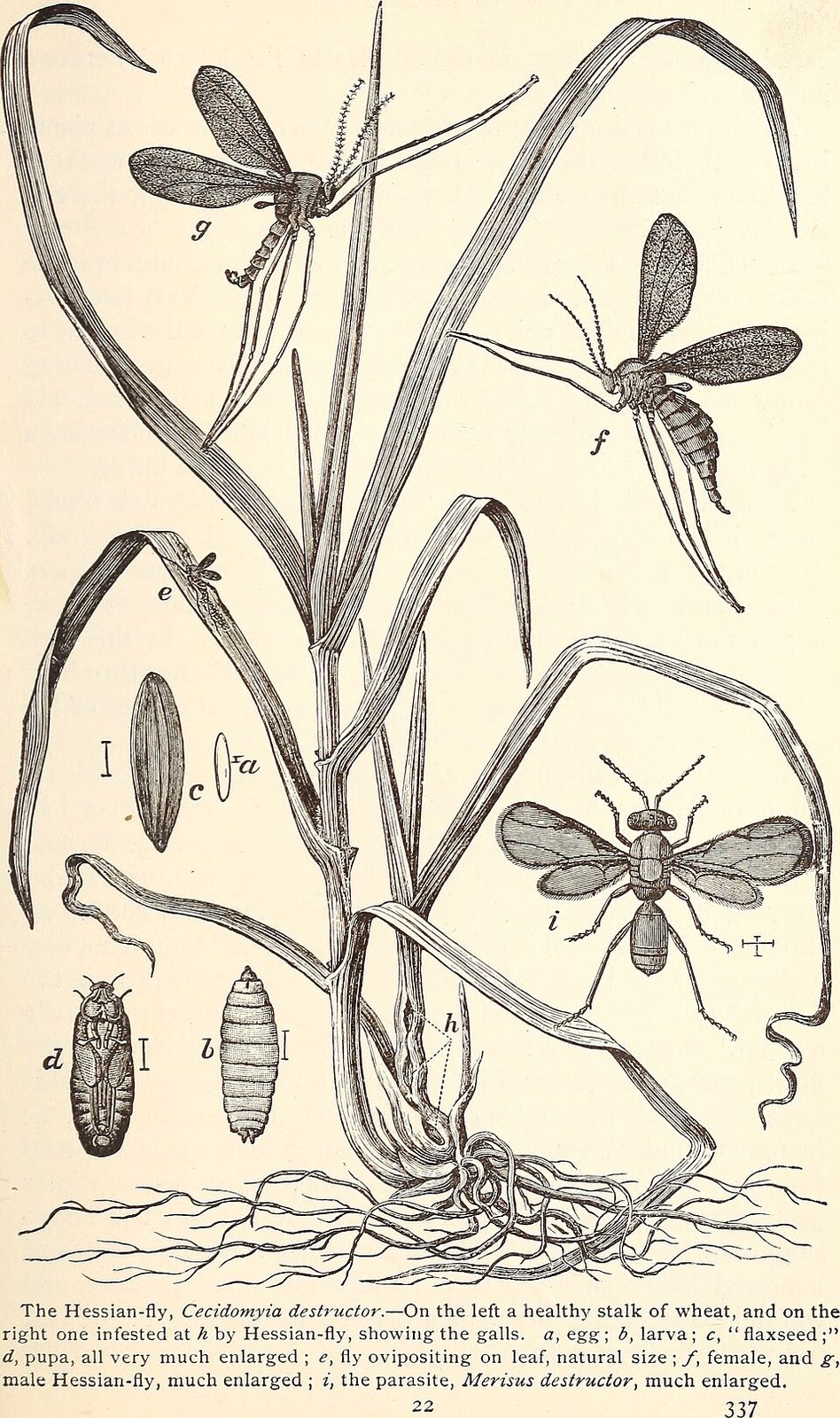
NatureThe Hessian fly. A wheat pest is called the “Hessian fly” in America because people believed the Hessians had brought it in. Thomas Jefferson studied it. A British inquiry of 1788 found no such insect in Germany.
FashionHessian boots. In the 1790s British officers wore boots called “Hessians,” after the German soldiers who had fought alongside the British in America. The Wellington boot developed from them.
LanguageBurlap. In Britain and Australia, coarse jute cloth is still called “hessian”; in North America it is burlap. The name is said to come from the uniforms of Hessian soldiers.
LegendThe Hessians were drunk on Christmas night 1776.
DocumentedResearch largely considers this a legend.
LegendThe Hessians brought the Christmas tree to America.
DocumentedNot proven. The earliest documented Christmas tree in America stood in Lancaster County, Pennsylvania, in 1821.

Sources: Irving, Sleepy Hollow · Leutze’s painting · AFI Catalogarchive · Bunker Hill Bunny · Hessian fly · Jefferson to Thomson, April 20, 1791 · English Heritage: Hessians and Wellingtons · Hessian fabric · WITF, December 5, 2024archive
Revolution, Mainz, and Napoleon
- 1789
The French Revolution begins in Paris. In 1792 Austria and Prussia march against revolutionary France, and Hessian troops with them; in November Reuber’s battalion lies at Koblenz.
- 1793
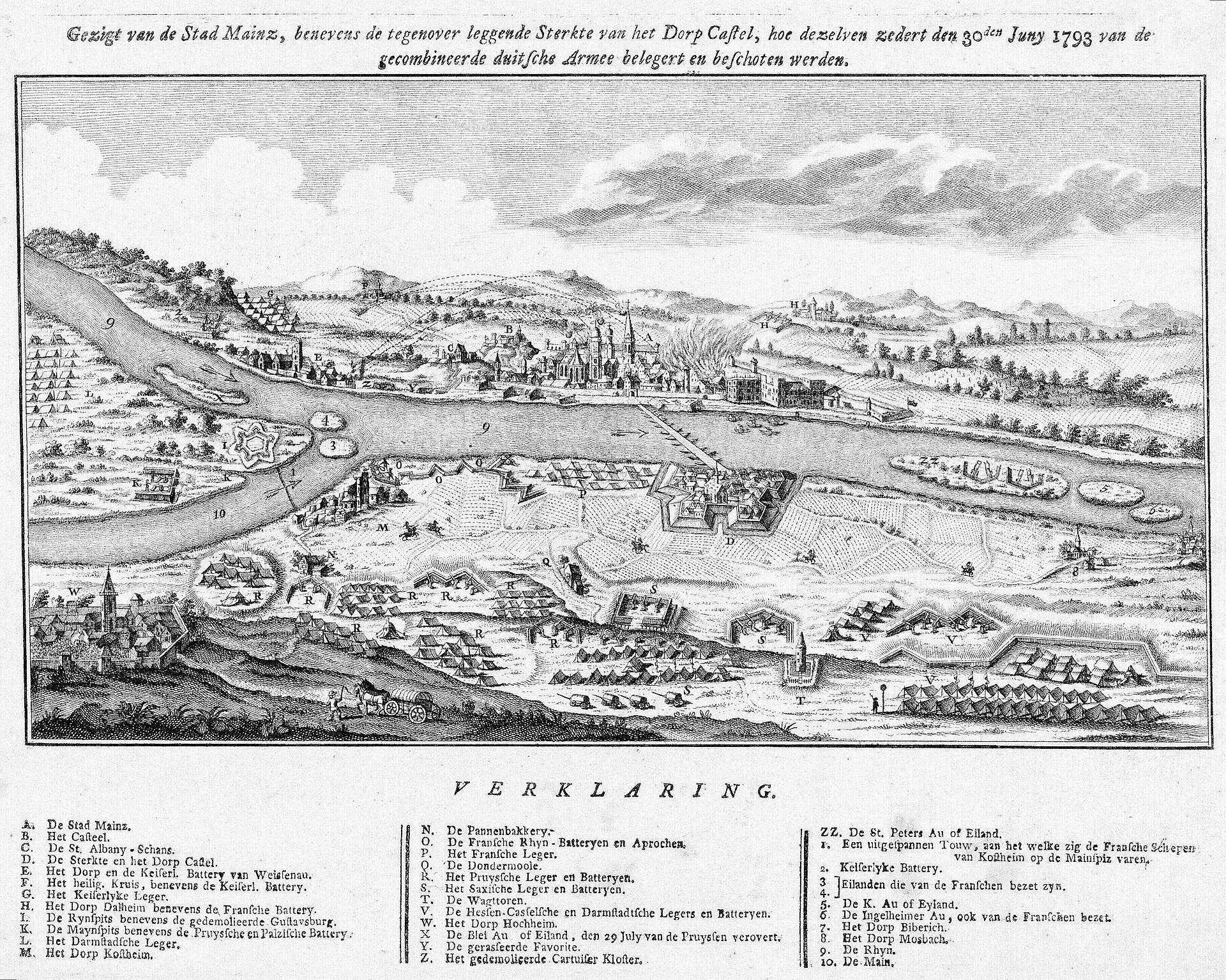
In Mainz, occupied by the French in October 1792, the first republic on German soil comes into being. Prussians, Austrians, and Hessians besiege the city from April to July; it capitulates on July 23, 1793. Among the besiegers are Reuber’s battalion and also Goethe, who writes “The Siege of Mainz” about it.
- 1793–1794
Hessian troops fight on the side of the British in Flanders. Reuber marches through Tournai and lives through the siege of Landrecies.
- 1806
Napoleon’s troops occupy Hesse, and the elector goes into exile. The old Hessian army is disbanded; Reuber receives his discharge on December 25.
- 1807–1813
Kassel becomes the capital of the Kingdom of Westphalia, which Napoleon creates for his youngest brother, Jérôme.
- 1813
After Napoleon’s defeat at Leipzig the kingdom ends; the elector returns to Kassel.

Sources: German Historical Museum: Mainz Republicarchive · Plan of the siege with the Hessian troops (Royal Collection)archive · Junghans 1893: Reuber at Mainz, copy · Goethe, The Siege of Mainz · LWL: Kingdom of Westphaliaarchive