Kassel
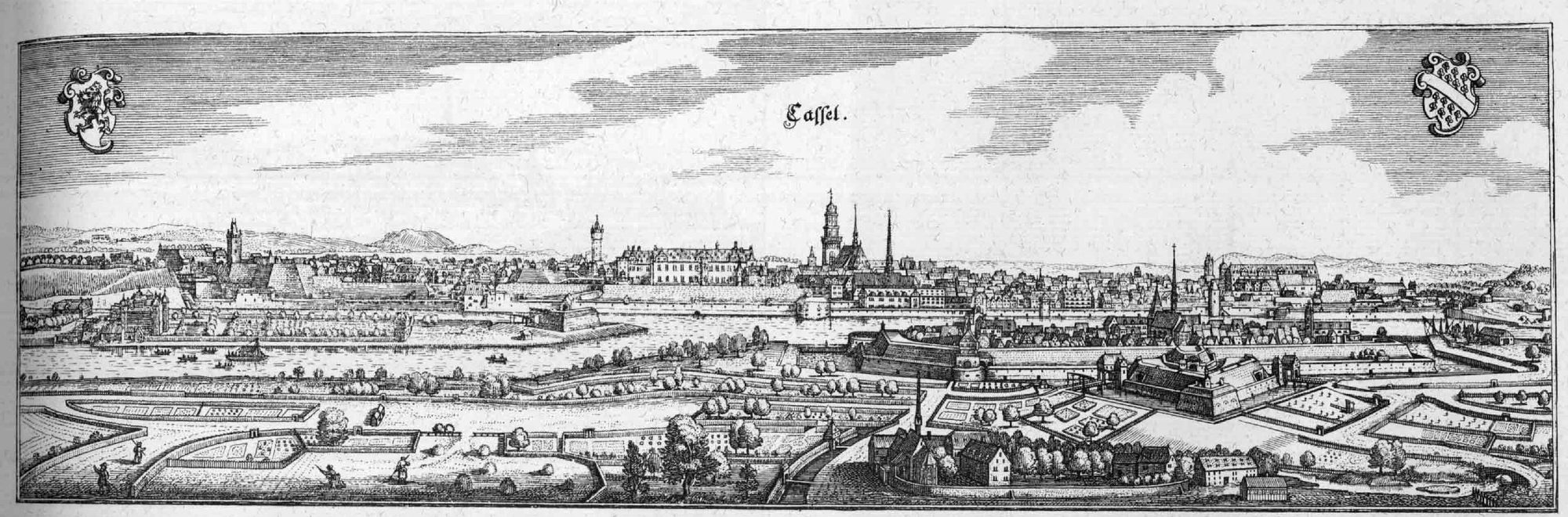
Reuber marched out of Kassel in 1776 and came back here in 1783. The city he knew no longer exists. This page walks through the ages, from the first observatory to the documenta, and changes its face as you read on.
If your Hessian ancestor came from Hesse-Cassel, he served a landgrave who resided here. In old records the city is called Cassel: that was its official spelling until December 4, 1926. If you are looking for ancestors, try both spellings.

Stars and theater
Kassel was a city of science long before Hessian soldiers were hired out. In 1560 the future Landgrave William IV had a structure built onto Kassel Palace that housed the first permanently installed observatory of modern Europe.
With the Swiss clockmaker Jost Bürgi, in Kassel from 1579, and the mathematician Christoph Rothmann, he measured the stars. His star catalog was more accurate than that of the famous Tycho Brahe, who had visited him in Kassel in 1575. Like Reuber’s diary, the manuscript is in Kassel University Library.
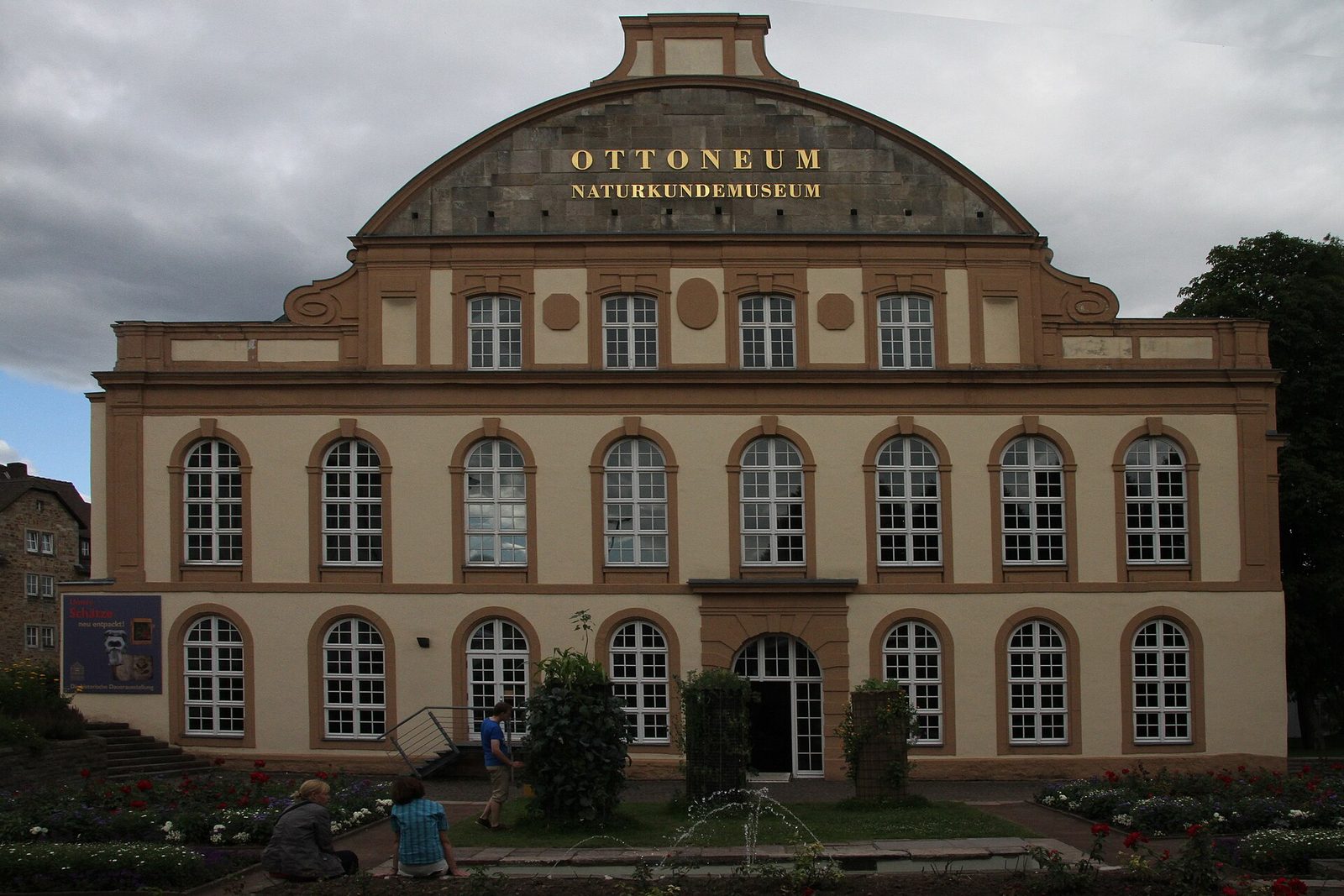
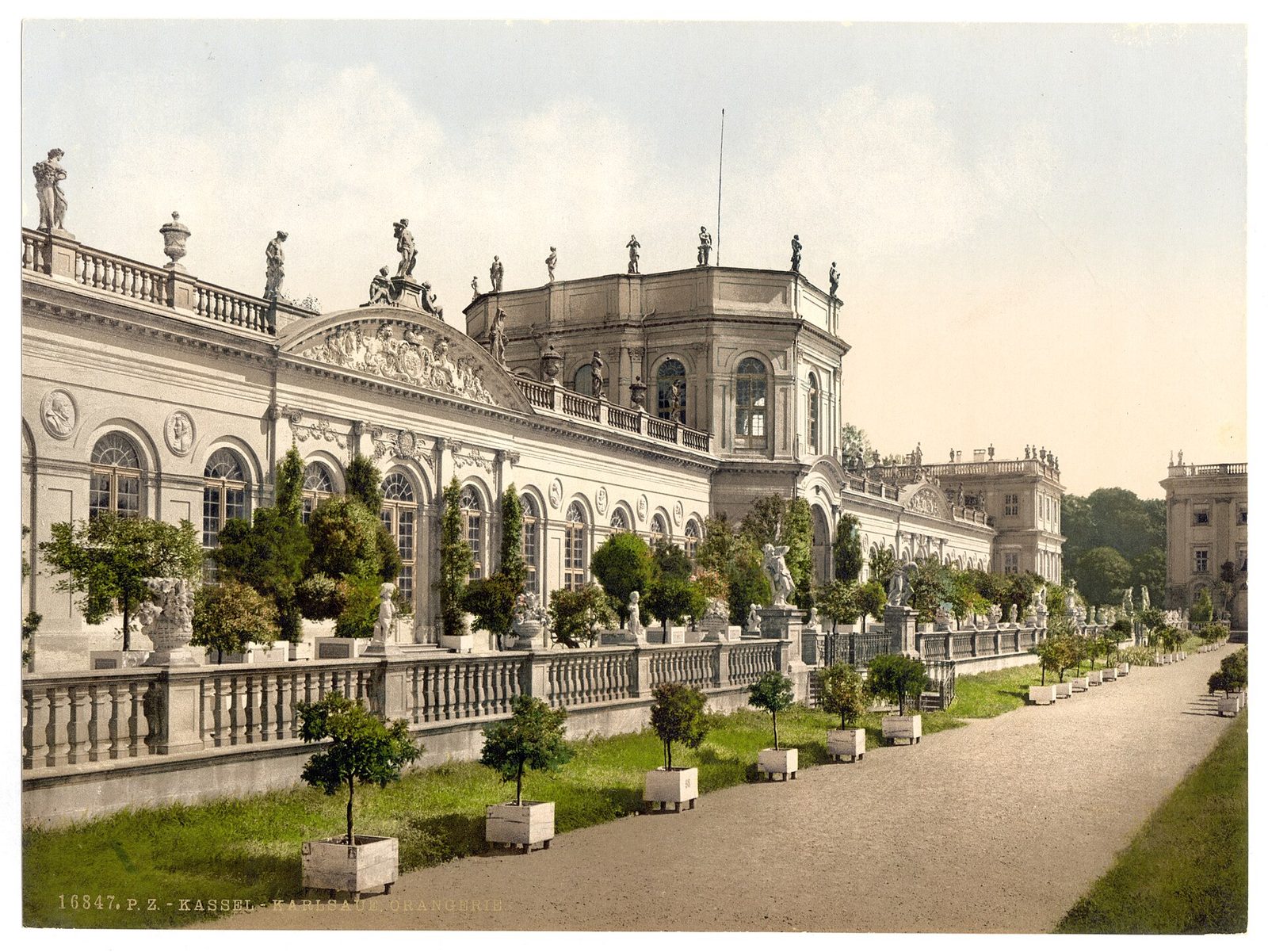
His son Maurice the Learned had the Ottoneum built from 1603 to 1606, the first permanent theater building in Germany. Today it houses the natural history museum. Instruments and clocks from William’s time are on display in the Astronomical-Physical Cabinet in the Orangery.

Sources: Residences Commission, Göttingen Academy of Sciences: observatory 1560, Bürgi · University of Marburg: better than Tycho Brahe’s catalog · Astronomy & Astrophysics 2021: Brahe’s visit in 1575 · Kassel University Library: Landgrave Maurice, Ottoneum 1604–06 · Kassel City Museum: model of the Ottoneum · Haus der Astronomie: 450 years of the Kassel observatory
What the money built
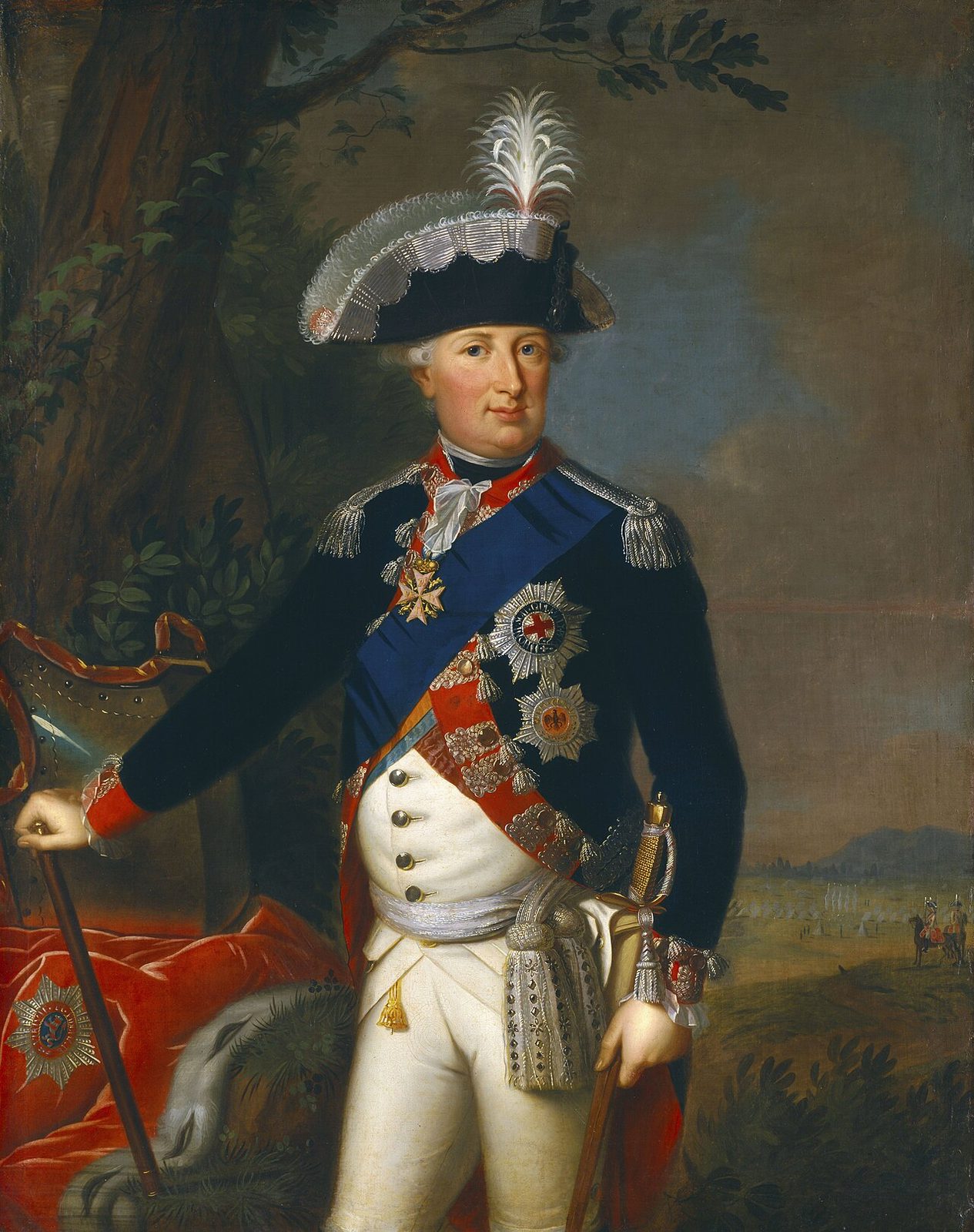
Landgrave Charles made the standing army the foundation of his policy. Allies paid subsidies for Hessian troops, usually more than the troops cost. The landgraves used the money also to pay for their court and to make Kassel a city of the arts. Which thaler went into which building can mostly no longer be said. The overview shows what was built in these years.
| Landgrave | What was built |
|---|---|
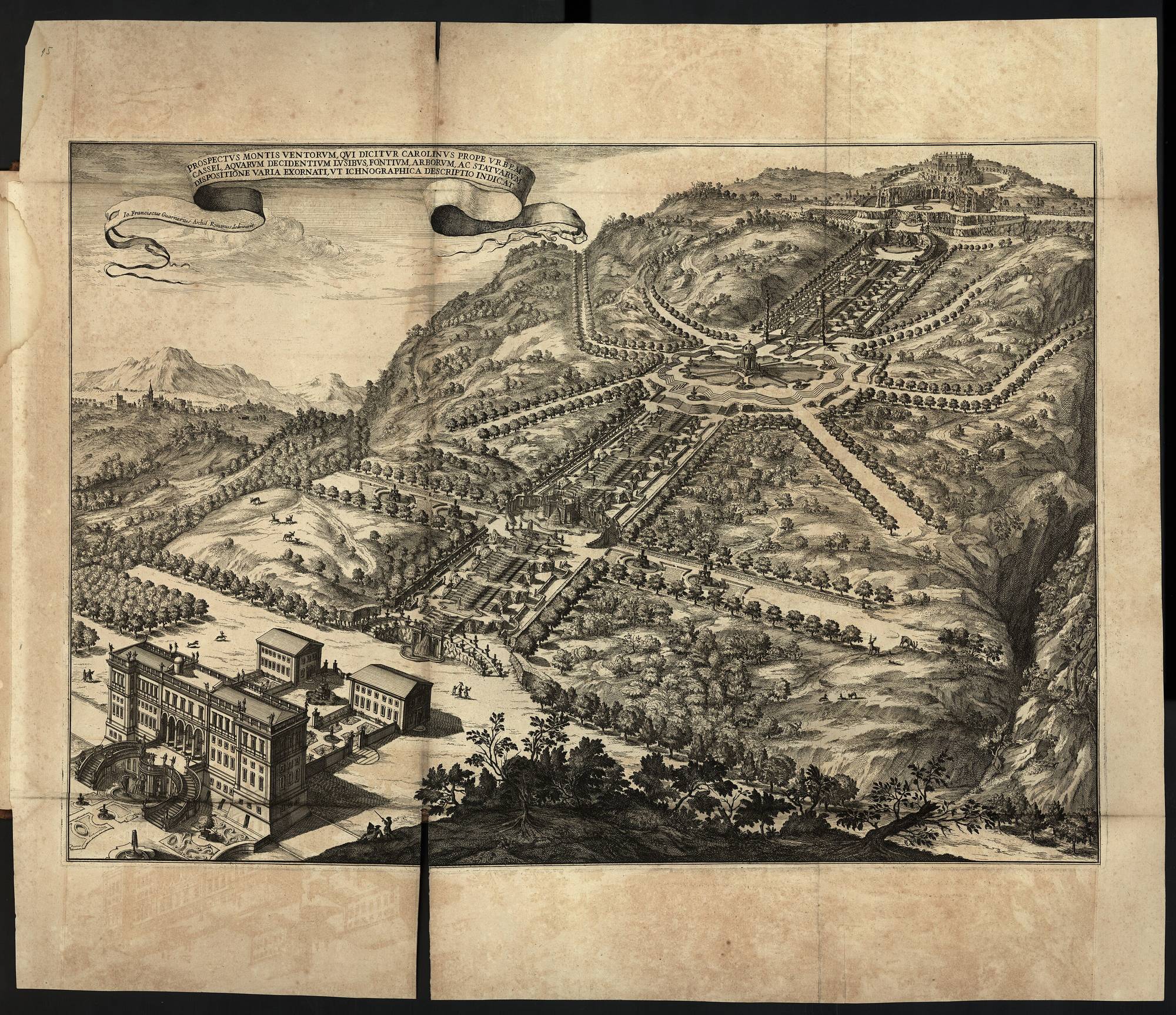
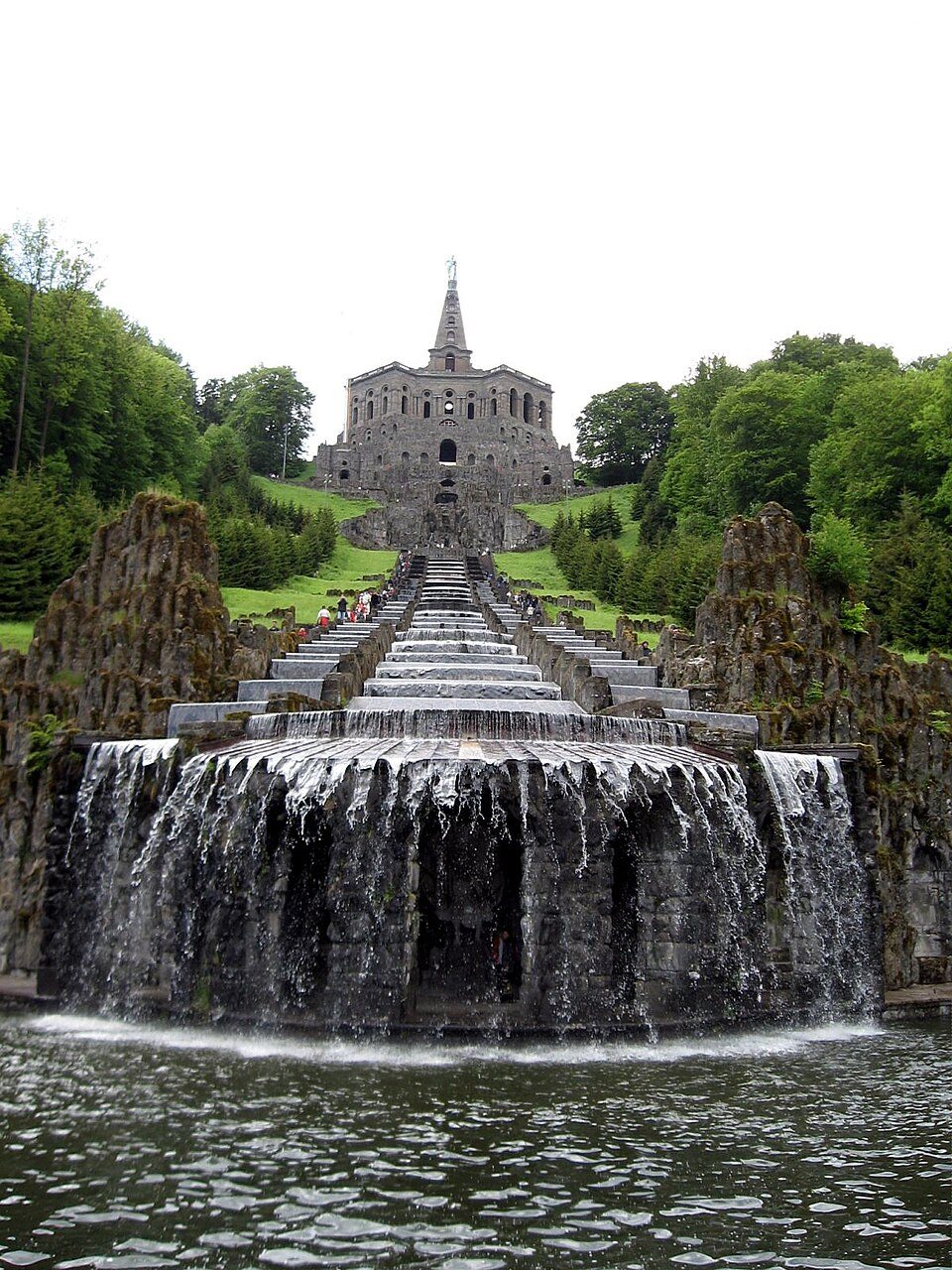
| Charles 1670–1730 | the Oberneustadt, a new town for Protestant refugees from France, the Huguenots (from 1688) · the Orangery in the Karlsaue park (1703–1711) · the Octagon, cascades, and Hercules above the city (Hercules 1707–1717) · the Collegium Carolinum for mathematics and natural science (1709) |
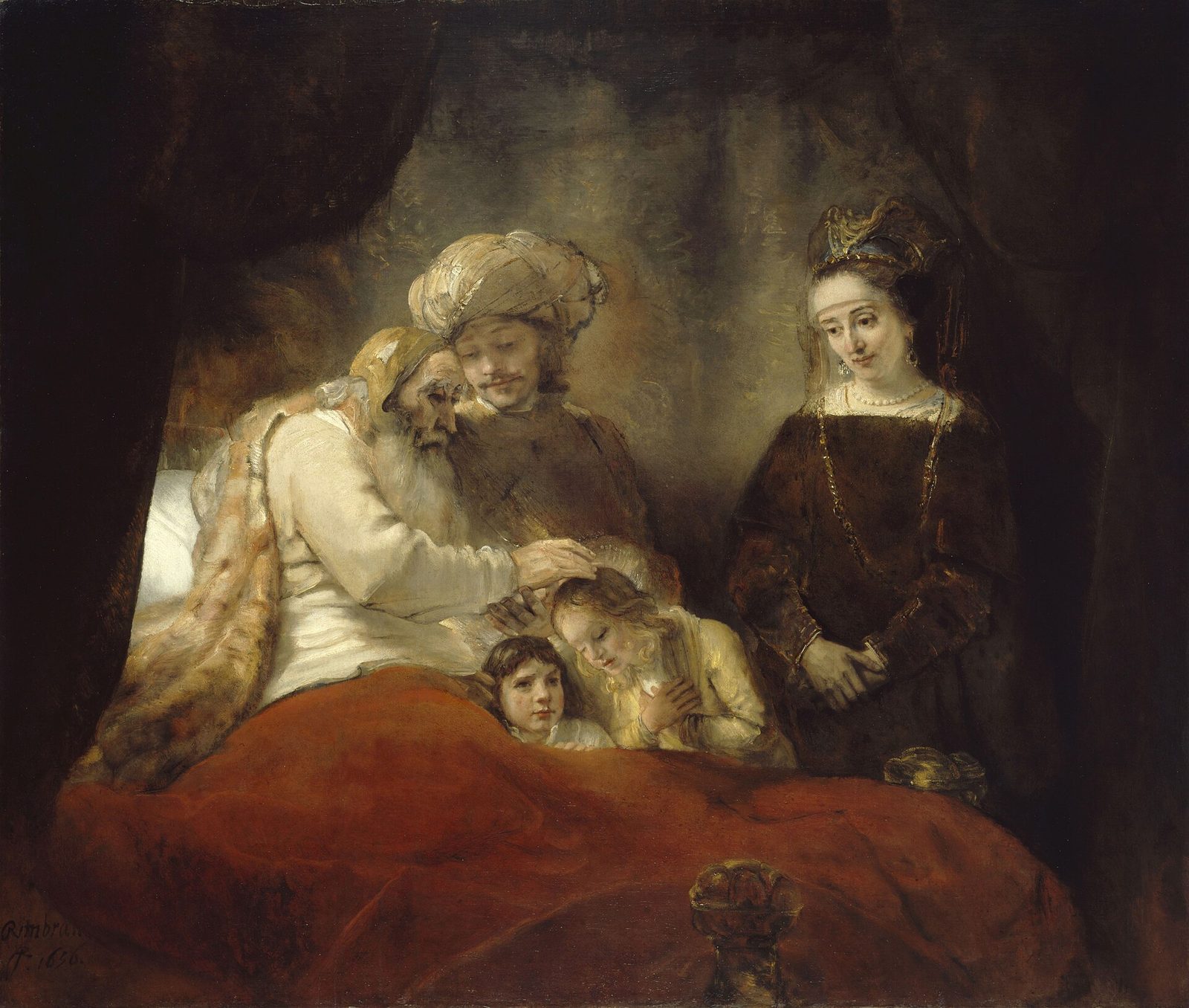
| William VIII 1751–1760 | the picture gallery: in 1750 alone he bought 13 paintings then believed to be by Rembrandt. With twelve Rembrandts by the master’s own hand, Kassel today has one of the largest collections in Germany. |
| Frederick II 1760–1785 | the Fridericianum on the Friedrichsplatz (1769–1779) · the expansion of the Collegium Carolinum to as many as 17 professors · the treaty of 1776 for 12,000 men for America, Reuber among them |
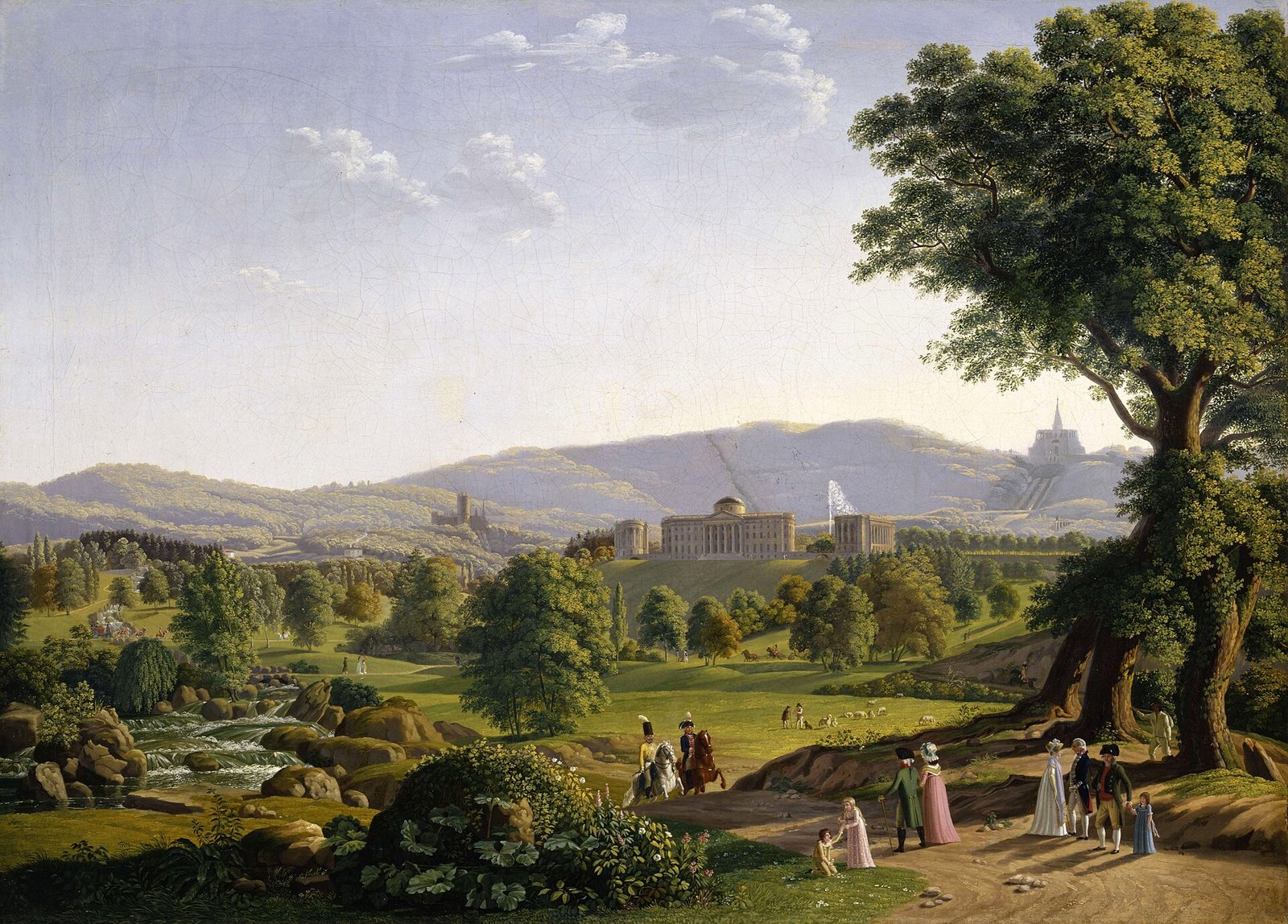
| William IX 1785–1821 | Wilhelmshöhe Palace (1786–1798) · the Löwenburg, an artificial knight’s castle in the park, where he was buried in 1821 |
A prince as a bank
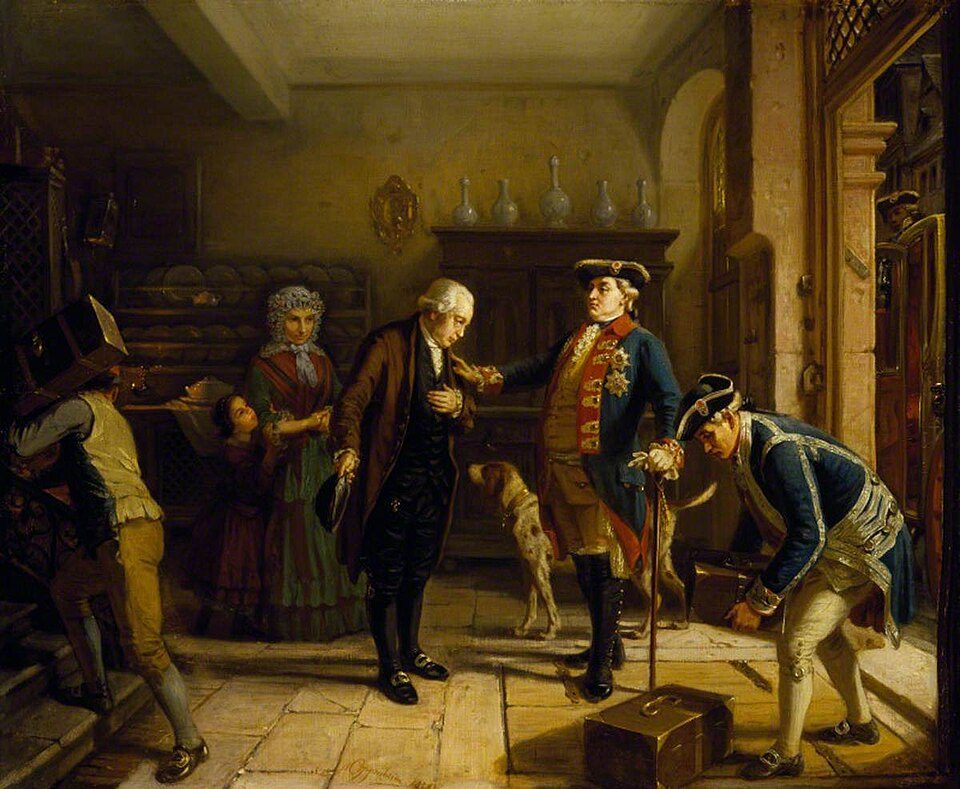
In the late eighteenth century Frederick II and his son William IX were among the most sought-after lenders in the Empire and in Europe. In 1769 William made a Frankfurt merchant his court agent: Mayer Amschel Rothschild. Managing the landgrave’s fortune helped the house of Rothschild on its way to becoming one of the great banking families of Europe.
And the soldier? Reuber saw none of it. The subsidies went to the landgrave, not to the men who marched off to America.
Steam on the Fulda
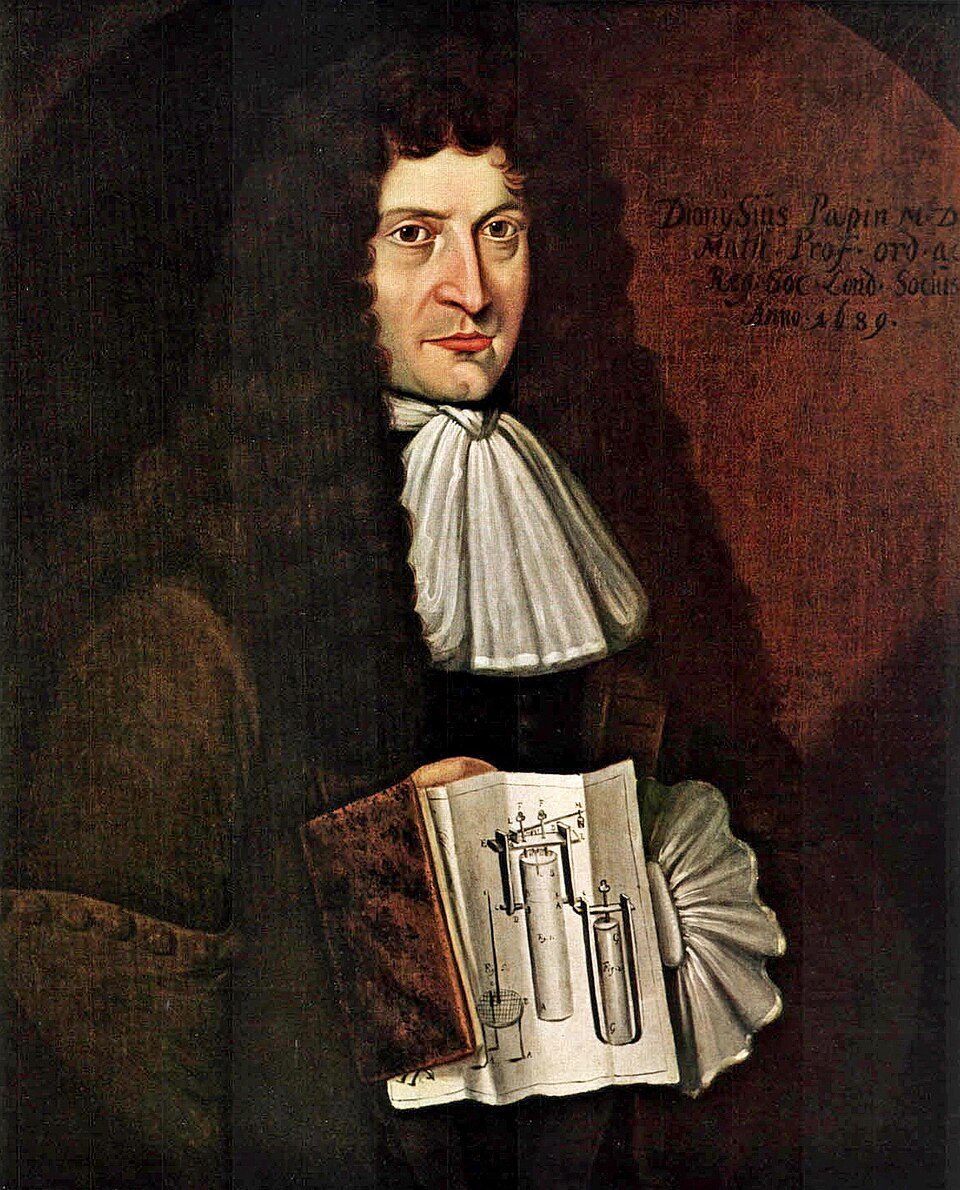
Under Charles, the Frenchman Denis Papin worked in Kassel from 1695 on pumps and on the power of steam. In 1707 he set off down the Fulda in a paddle-wheel boat, bound for London. At Münden the boatmen’s guild would not let him pass. Whether the boat already ran on steam is disputed.







Sources: German History in Documents and Images: subsidy troopsarchive · Wegner, Philippia 14: Landgrave Charles and the subsidies · Huguenot Society: Oberneustadt from 1688 · Orangerie (Wikipedia) · RKD: William VIII and Rembrandt, 1750 · sehepunkte: twelve Rembrandts in Kassel · Mey, Philippia 14: Collegium Carolinum, Papin · Wilhelmshöhe Palace (Wikipedia) · University of Marburg: princely lendingarchive · William IX and Rothschild (Wikipedia) · Spektrum: Papin at Münden
A museum for everyone
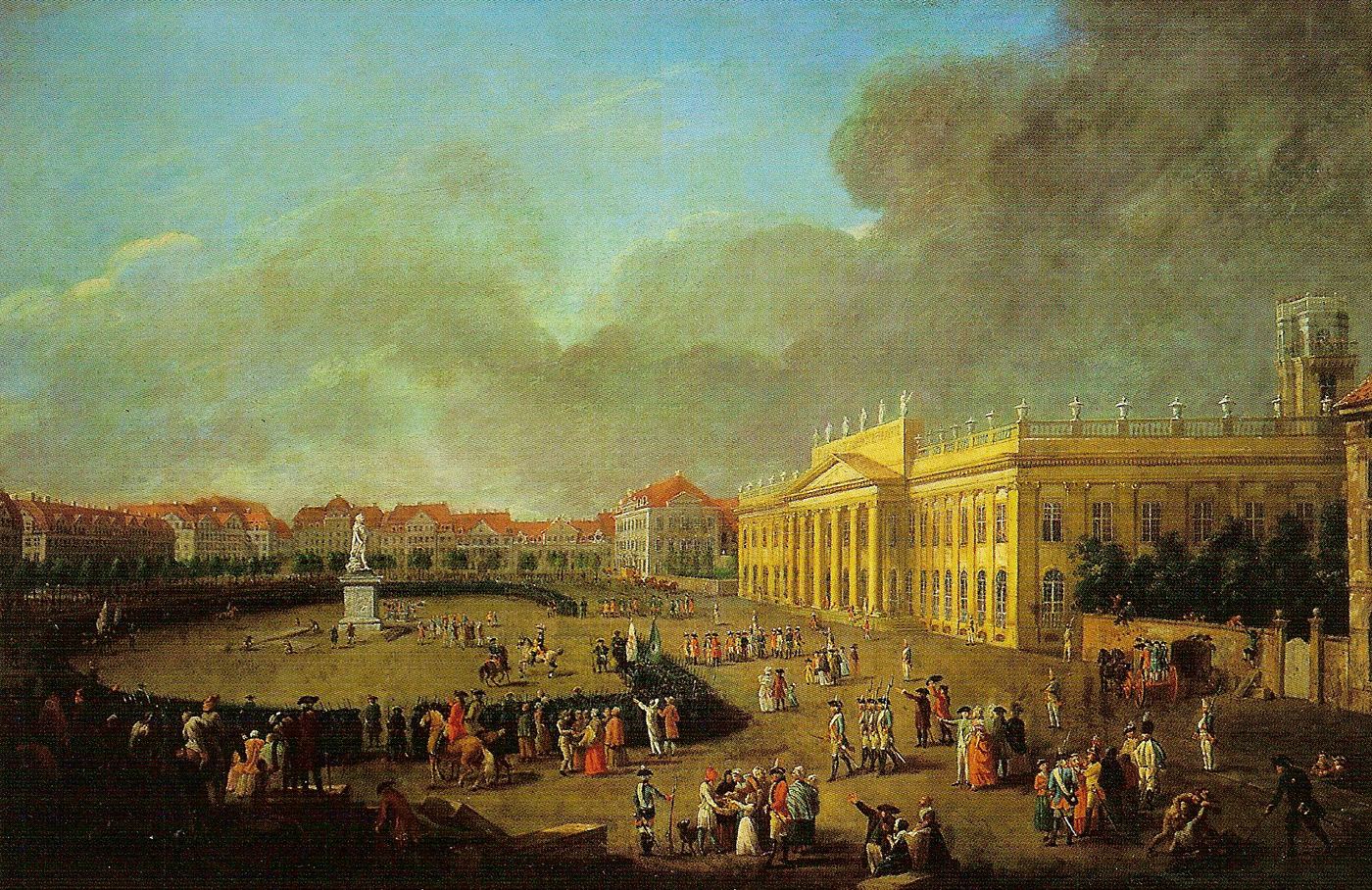
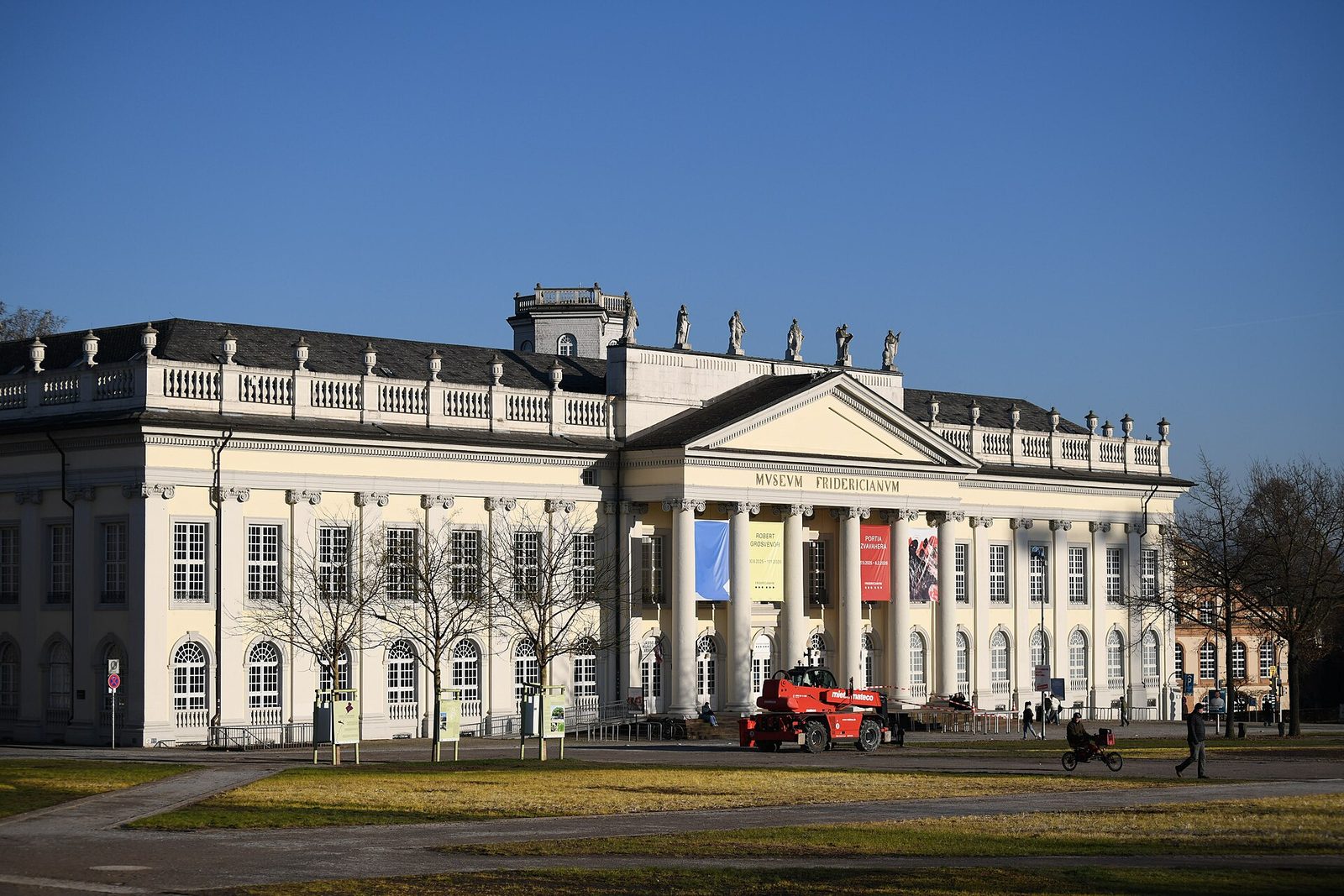
On May 23, 1779, after ten years of construction, the Fridericianum opened on the Friedrichsplatz, one of the first public museums on the European continent. Landgrave Frederick II had Simon Louis du Ry build it for his collections and the princely library.
Most of the Fridericianum was built before the treaty for America, but in a country whose budget had lived on subsidies for decades. When Reuber came home in 1783, the square in front of it held the new monument to the landgrave who had sent him to America.
Since June 23, 2013, the mountain park, its water features, and the Hercules have been a UNESCO World Heritage Site.
Sources: Fridericianum, historyarchive · The Fridericianum museum building (arthistoricum)archive · World Heritage mountain parkarchive
King Jérôme and the Brothers Grimm
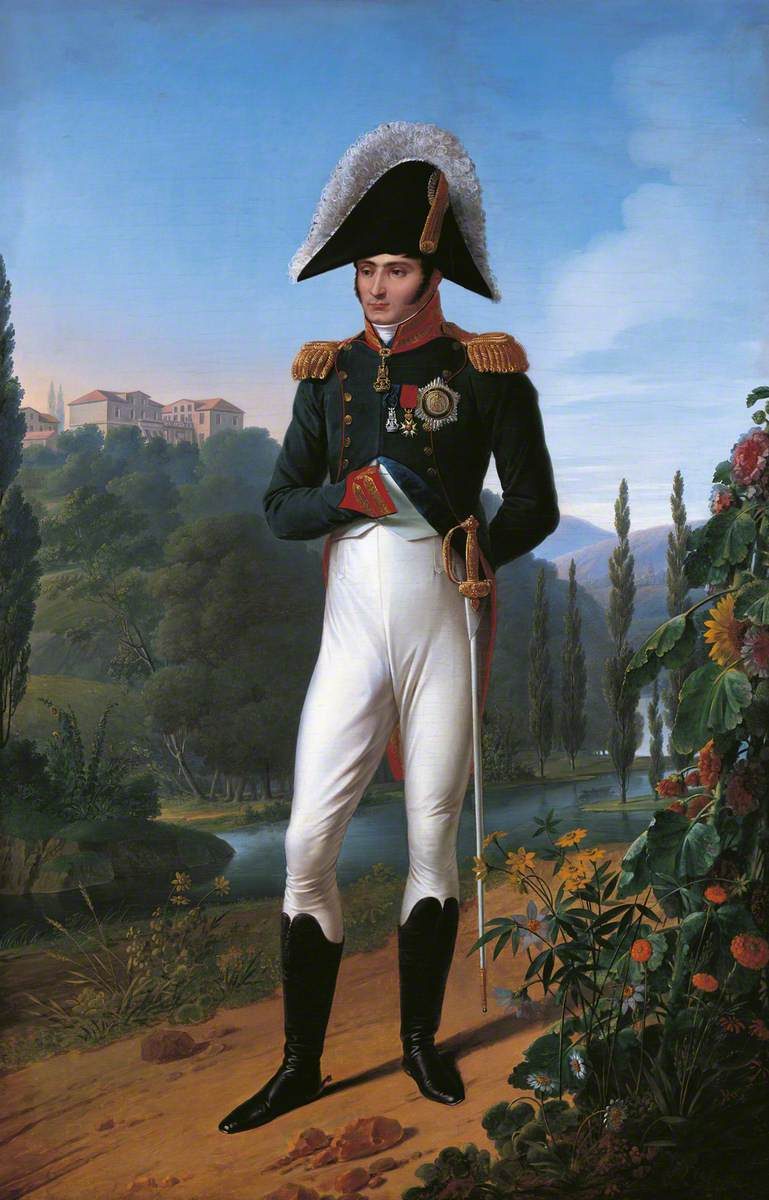
A year after Reuber’s discharge, Kassel becomes the capital of the Kingdom of Westphalia, which Napoleon creates for his youngest brother, Jérôme. Until 1813 a French king resides here, ruling almost two million subjects.
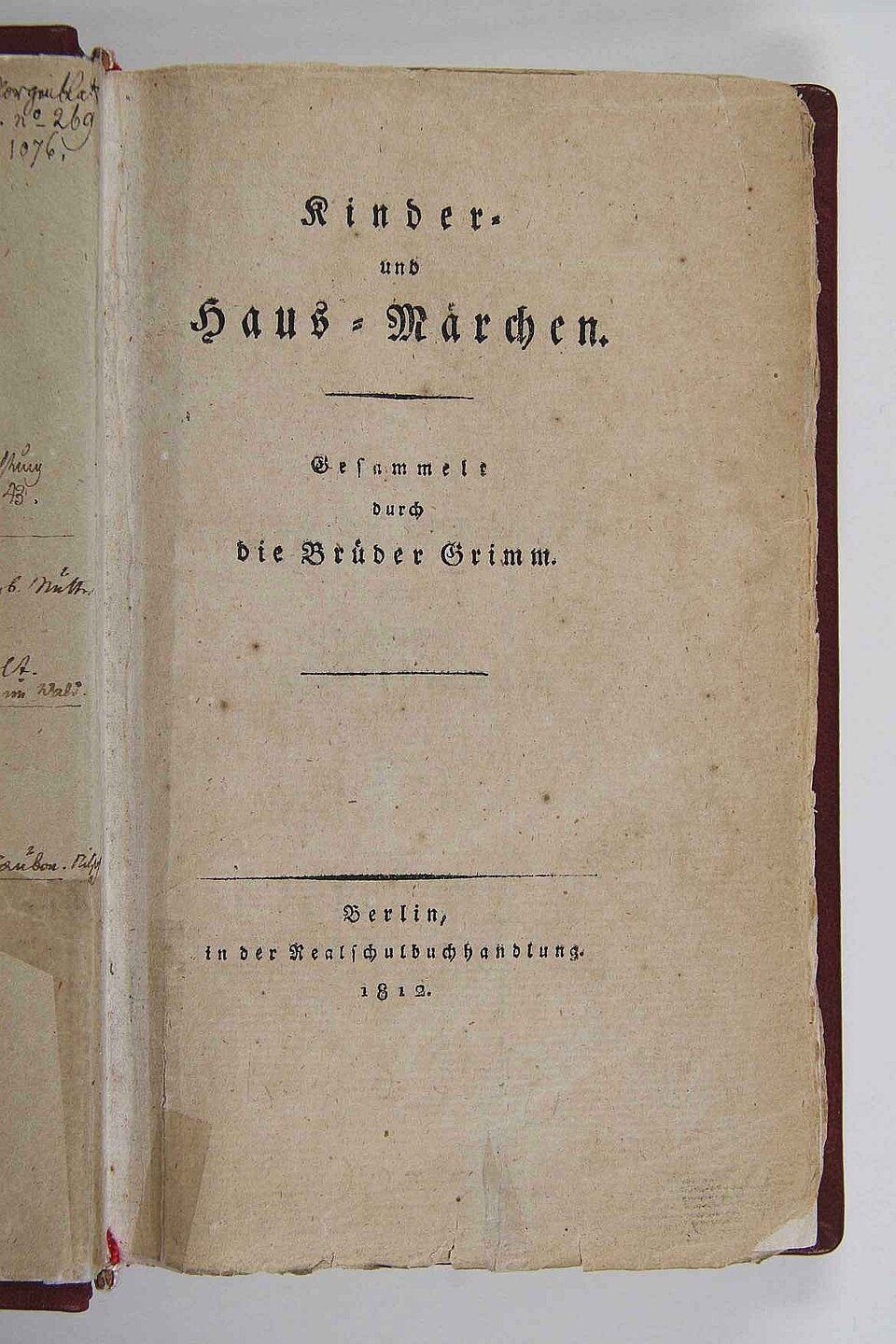
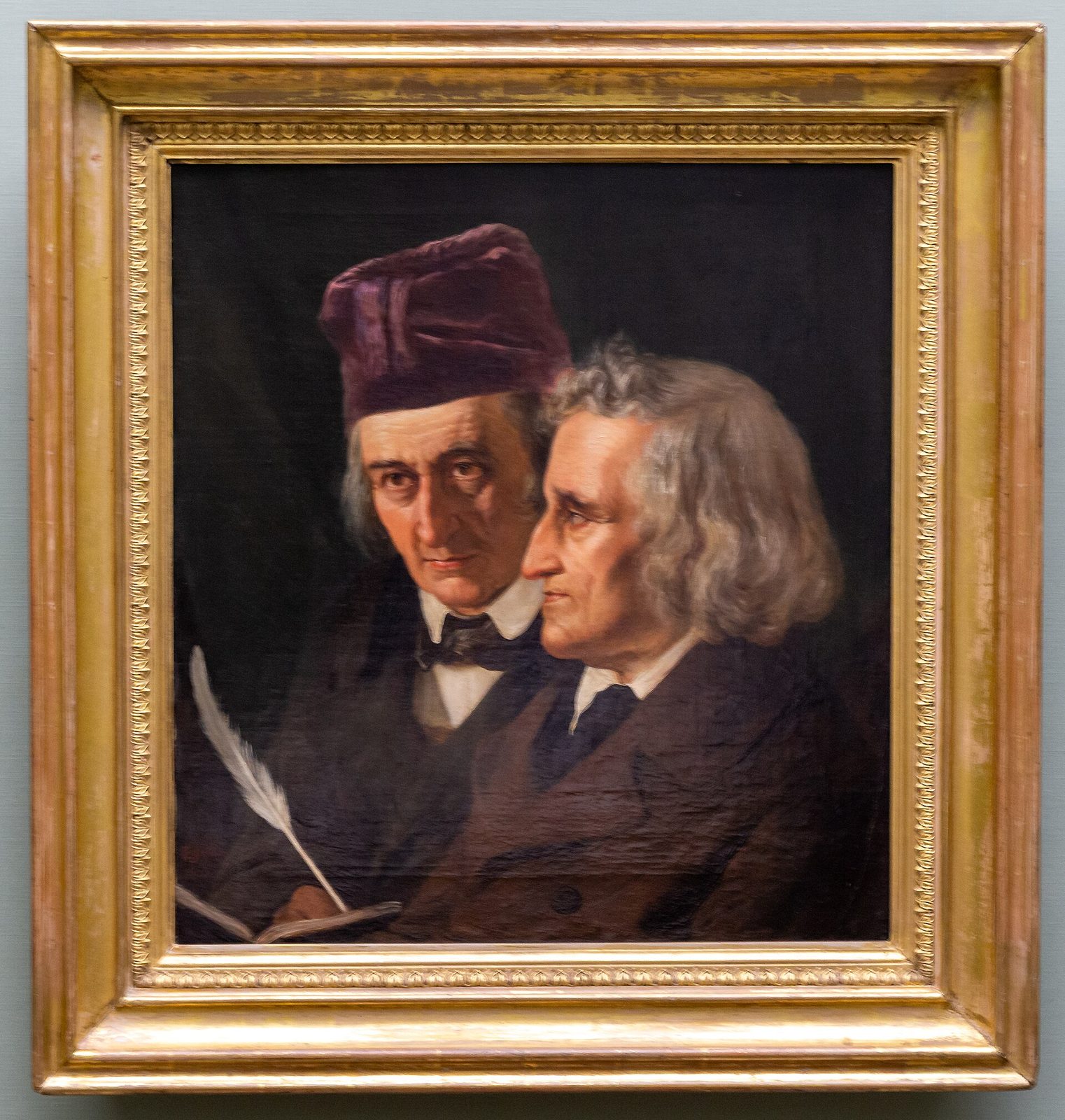
In the same years two young Hessians collect fairy tales in Kassel: Jacob and Wilhelm Grimm. In 1812 the first volume of the Children’s and Household Tales appears. From 1816 to 1829 both work as librarians in Kassel; Jacob called this perhaps the most fruitful time of his life.
Many Americans know Snow White or Cinderella from the movies. The tales behind them were written down by the Grimms in Kassel. Their personal copies with their own notes have been part of UNESCO’s Memory of the World since 2005. Since 2015 the Grimmwelt in Kassel has presented their work.



Sources: LWL: Kingdom of Westphaliaarchive · DigAM: founding of the kingdomarchive · Planet Wissen: the Brothers Grimmarchive · Pharmazeutische Zeitung on the Grimmweltarchive · Grimmweltarchive
Henschel’s “Dragon”
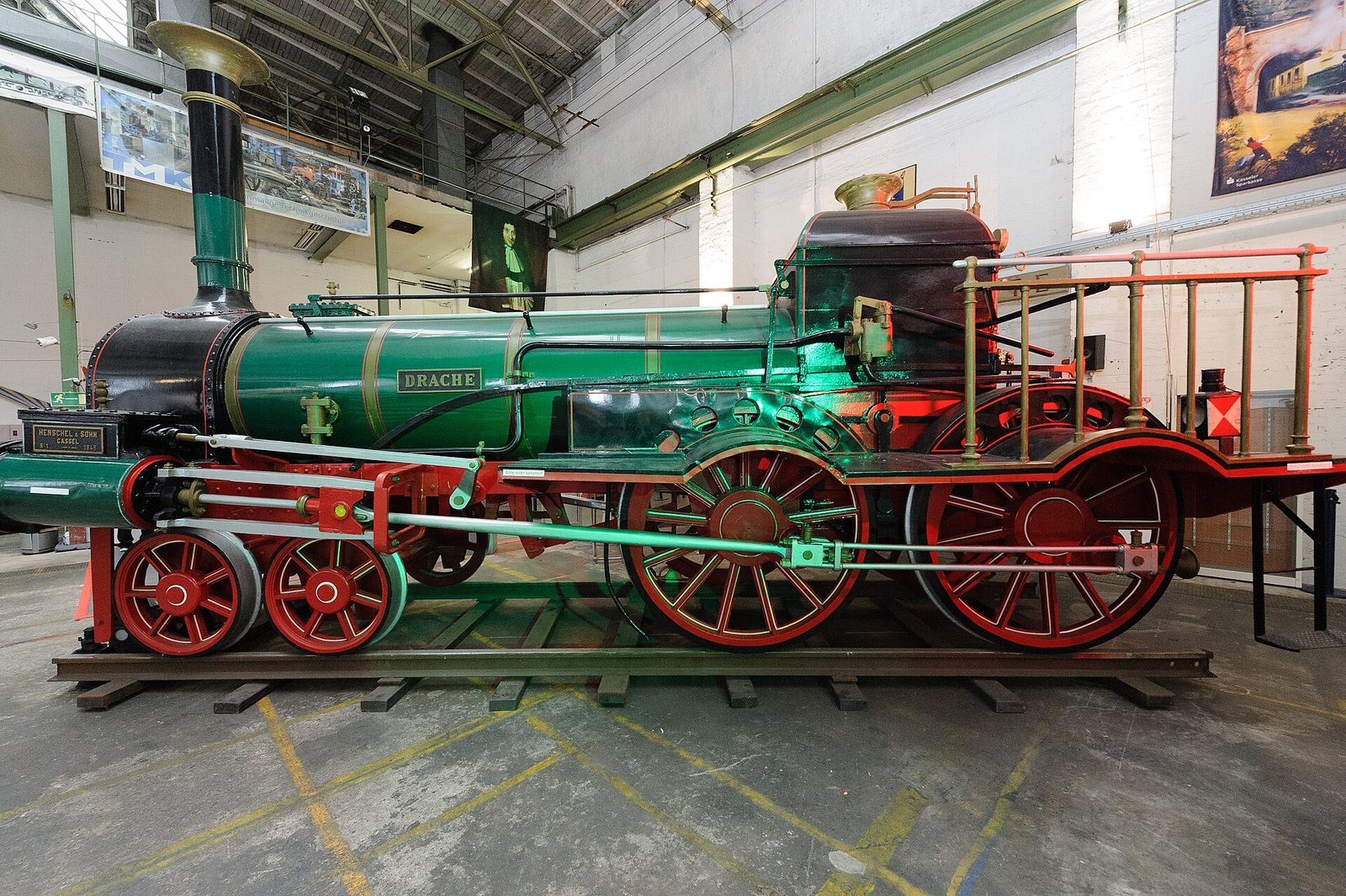
In 1810 Georg Christian Carl Henschel founded the firm of Henschel & Son in Kassel. On July 29, 1848, it delivered its first locomotive, the “Drache” (Dragon), for the Frederick William Northern Railway. Steam had a prehistory in Kassel: Papin had worked with it here a century and a half before.
For a time Henschel was one of the most important locomotive builders in Europe, and in the twentieth century the largest in Germany. From 1925 the firm also built trucks and buses. The Henschel Museum in Kassel shows models from the “Dragon” to the Transrapid.
In 1870 Wilhelmshöhe Palace held a famous prisoner: Emperor Napoleon III of France, defeated at Sedan, in the same rooms his uncle Jérôme had lived in.

Sources: German Museum of Technology, archival record 1848archive · Henschel (Deutsche Biographie) · Henschel & Sonarchive · Henschel Museumarchive · Holtmeyer: Wilhelmshöhe, Napoleon III in 1870
Why Reuber’s Kassel is missing
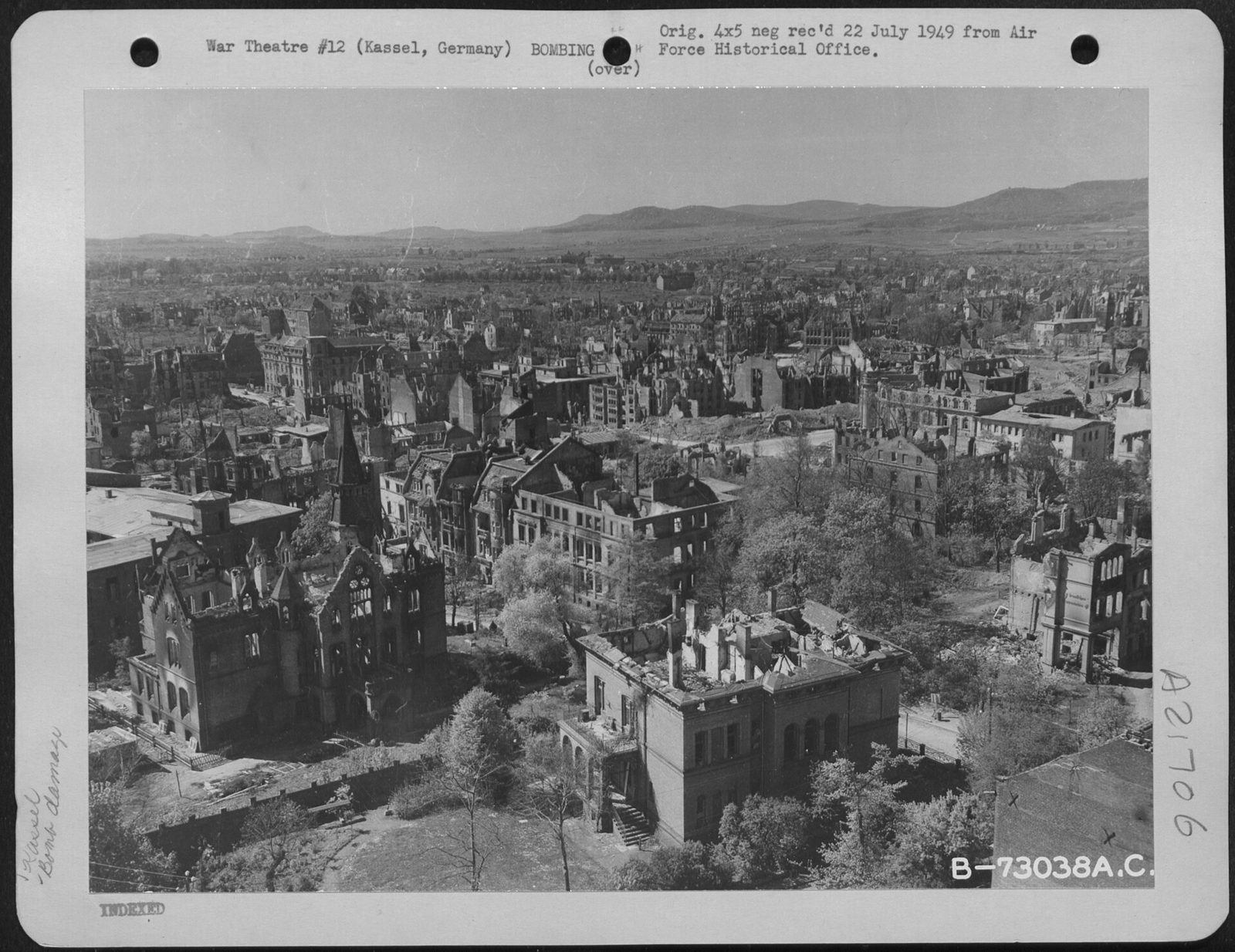
In the Second World War Kassel’s industry worked for the war. Henschel built the heavy Tiger I and Tiger II tanks, and Fieseler built aircraft. That made the city a target.
On the night of October 22–23, 1943, British bombers dropped high-explosive and incendiary bombs on the city center. Many thousands of people died, and the old town was almost completely destroyed. The Fridericianum, too, became a ruin in the war. American bombers attacked as well, for example the Henschel plant on September 28, 1944.
The half-timbered town through which Reuber came home in 1783 perished in these years. What can still be seen of his Kassel is above all the Friedrichsplatz, the rebuilt Fridericianum, and the mountain park.
Sources: Kassel City Museum: 1943, the air raid on Kasselarchive · Bombing of Kassel in World War II · University of Kassel: the ruined Fridericianumarchive
First Hessians went to America, then Americans came to Hesse
From April 1 to 4, 1945, the U.S. 80th Infantry Division fought for Kassel. At noon on April 4 the German commander surrendered with more than 1,300 men.
Hesse became part of the American zone of occupation. On September 19, 1945, the American military government created the state of Greater Hesse with General Dwight D. Eisenhower’s Proclamation No. 2; it became today’s state of Hesse.
In the Cold War Hesse remained shaped by America. The U.S. V Corps, headquartered in Frankfurt, was to defend the Fulda Gap, the route by which a Soviet tank attack was expected. Its sector ran from north of Kassel to east of Fulda. Generations of American soldiers served in Hesse. The Point Alpha memorial on the former border recalls those years.

Sources: Battle of Kassel, 1945 (Wikipedia) · Hessian State Center for Civic Education: the founding of Hesse, 1945 · GlobalSecurity: Fulda Gap · Point Alpha memorial
documenta in the ruin
In 1955 the Kassel painter and professor Arnold Bode showed modern art in the ruin of the Fridericianum, art that had been banned in Germany for twelve years, as a side exhibition to the Federal Garden Show. The first documenta grew into one of the most important exhibitions of contemporary art in the world, held every five years for a hundred days.
From here a path leads to New York. In 1982 Joseph Beuys began his “7000 Oaks” at documenta 7: trees, each with a basalt column. The New York Dia Art Foundation helped pay for the plantings in Kassel. Since 1988 such pairs have also stood in Manhattan, on West 22nd Street.
The 16th documenta runs from June 12 to September 19, 2027. The building that opened in 1779 as a museum for everyone will once again be at its center.

Sources: documenta: historyarchive · Art lexicon: documentaarchive · hessenschau: 70 years of documentaarchive · documenta 16archive · Dia Art Foundation: 7000 Oaks · Hyperallergic: Beuys in New York
In Reuber’s footsteps
Hessians in Canada
Not all Hessians went to the United States or home after the war. Hessian troops were stationed in Nova Scotia from 1778 to 1783 and protected the colony against American privateers. A few hundred German soldiers afterward settled in Nova Scotia or Ontario; most of those who stayed in Canada settled in Quebec.
The personal files of 235 Hessians who stayed in Nova Scotia were published in 2005 by Johannes Helmut Merz and Terrence M. Punch. Near Bear River, Nova Scotia, a cairn honors soldiers from Waldeck who received land there in 1783.
How to find an ancestor is explained on the page Sources and Ancestors.

A day in Kassel
- Getting there: by ICE train from Frankfurt to Kassel-Wilhelmshöhe, then streetcar line 1 to the mountain park.
- Bergpark Wilhelmshöhe: Hercules, palace, Löwenburg. The water features run from May 1 to October 3 on Wednesdays, Sundays, and Hessian public holidays from 2:30 p.m., admission free.
- Old Masters Picture Gallery in Wilhelmshöhe Palace: William VIII’s Rembrandts.
- Friedrichsplatz and Fridericianum: the square in Tischbein’s painting of 1783.
- Orangery: the Astronomical-Physical Cabinet with the instruments of the first observatory.
- Grimmwelt on the Weinberg.
- Churchyard of Kirchditmold: here Napoleon’s governor had the old grenadiers line up in December 1806.
- Vellmar-Niedervellmar: Reuber’s village, today part of the town of Vellmar.
- Hessian State Archives, Marburg, an hour to the south: the records of the regiments.
And Reuber’s diary? It is in Kassel University Library. You can read it anywhere: online and as a copy in the reading room.
Sources: Hessian soldiers, Nova Scotia 1778–1783 (Wikipedia) · John Merz: Hessians remaining in America · United Empire Loyalists: Hessians · Historic Nova Scotia: Waldeck Settlement · hessenschau: water features · Wikivoyage: mountain park, streetcar line 1